How to Rig a Single Nymph for Deep Runs Without Constantly Changing Weight
Depth in a deep run depends on more than added weight: leader length, fly design, current speed, and casting angle all matter. I’ll show you how to tune those variables so a single nymph fishes deeper without constant split-shot changes.
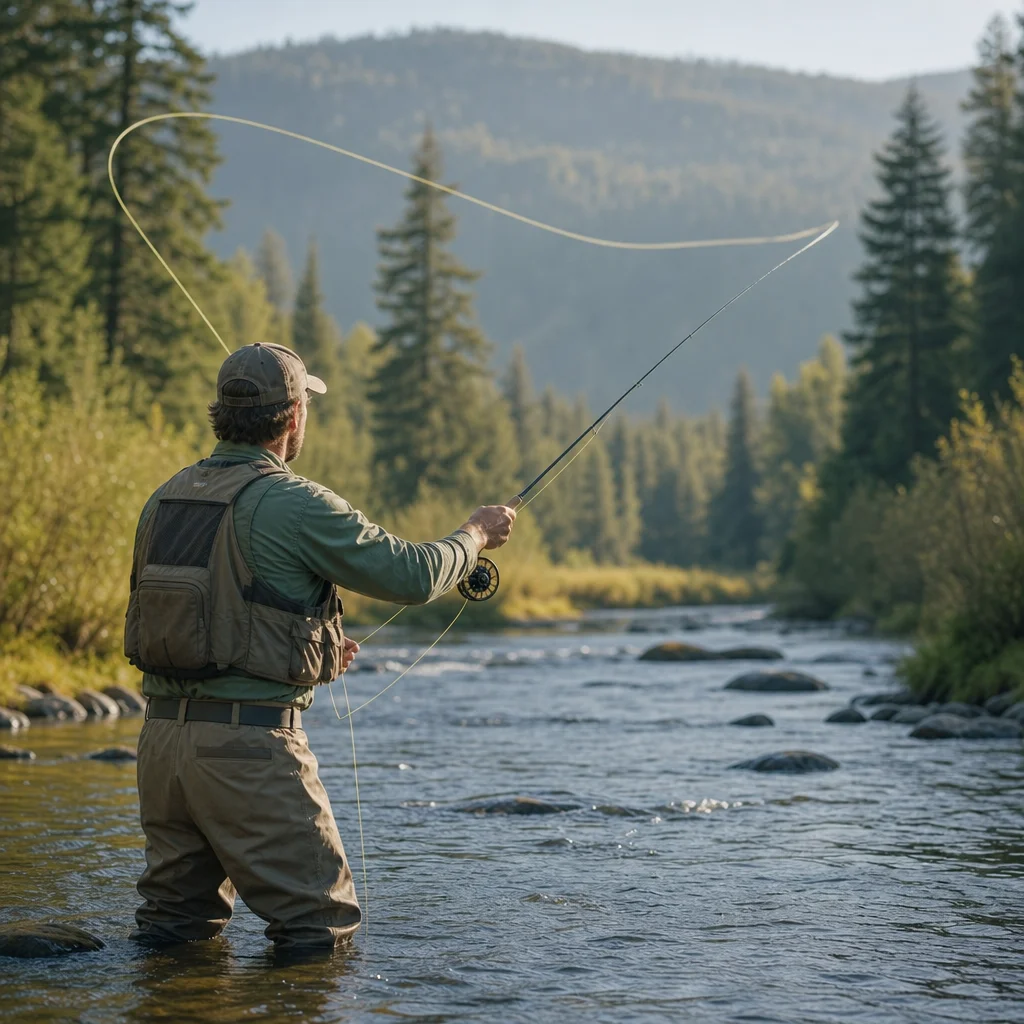
Deep runs often tempt you into the same cycle: add split shot, cast, snag the bottom, remove shot, and start over. A single nymph can reach useful depths with fewer weight changes if you adjust the whole presentation—leader length, fly weight, tippet diameter, casting angle, and drift control.
The goal isn’t to force the fly to the riverbed. It’s to make the nymph sink quickly enough to spend the productive part of the drift near the trout’s feeding level while keeping the rig manageable.
Start by deciding what “deep” requires
Depth is relative to the water you’re fishing. A six-foot run with moderate current may need a different setup than a three-foot tailwater channel with a strong seam and a hard bottom.
Before changing the rig, look for clues:
- Surface speed: Fast surface current usually means faster water below, though not always at the same speed.
- Current seams: A nymph crossing from slow water into a faster tongue can rise or swing as tension changes.
- Bottom structure: Boulder-strewn water may make a near-bottom drift impractical, while a smooth gravel run gives you more room to adjust.
- Likely holding depth: Trout may feed close to the bottom, but they often suspend higher when food is abundant or current is comfortable.
If you’re repeatedly ticking bottom on the first part of the drift, the problem may not be a lack of weight. Your fly could be entering too steeply, your leader could be too long for the water, or your mend could be dragging the nymph down and across the current.
Build the rig around one primary weight source
A weighted nymph should usually be the foundation of this approach. Bead-heads, tungsten-bead nymphs, and other weighted patterns provide a predictable way to change depth by swapping flies rather than repeatedly attaching or removing shot.
For deep runs, a heavier fly often gives you a cleaner rig than a lightly weighted fly plus several pieces of split shot. That doesn’t mean the heaviest available pattern is always best. Excessive fly weight can make casting awkward, increase snags, and produce a fast, unnatural plunge.
A useful starting setup might include:
- A floating line matched to your rod and casting style
- A tapered leader long enough to turn over the fly but not so long that depth becomes difficult to control
- A weighted single nymph
- A tippet section appropriate for the fly and the available fish
- An indicator only when the water and regulations make it useful
Your exact leader dimensions depend on rod length, water clarity, current speed, and whether you’re casting conventionally or keeping the fly close with a short-line presentation. The important point is to make one primary change at a time. If you change fly weight, leader length, and casting angle together, you won’t know which adjustment solved the problem.
Use leader length as a depth control
A longer leader gives the nymph more time and distance to sink before the line or indicator begins influencing the drift. This can help in deep, relatively open water where you have enough room for a longer cast and a clean mend.
Length alone doesn’t guarantee depth. A long leader can also create slack that prevents you from detecting takes or controlling the fly. If the leader is too long for your casting ability or the current, the nymph may be deep but effectively invisible to you.
Try extending the tippet or leader in small increments rather than adding a large section at once. After each adjustment, watch where the fly enters the current and how quickly the indicator, sighter, or line responds.
A longer setup is most useful when:
- The run is deep but not excessively turbulent.
- You can mend enough line to keep the nymph from being pulled upward.
- You still have reasonable contact with the fly.
- The bottom is relatively forgiving and snagging isn’t constant.
Shorten the rig when the water is shallow, pocketed, brushy, or full of uneven current. A shorter leader may fish slightly higher, but it gives you better control and a clearer connection to the nymph.
Change tippet diameter before changing weight
Thinner tippet generally creates less drag as it moves through the water, allowing the nymph to sink more readily. It can also help the fly track naturally in slower or clearer water.
That adjustment has trade-offs. Fine tippet is more vulnerable to abrasion, sudden pressure, and rough bottom structure. Larger trout, sharp rocks, and strong current may make a thin connection a poor choice even if it improves sink rate.
Think of tippet diameter as a refinement, not a substitute for suitable tackle. If your fly is far too light for the run, changing from one reasonable tippet size to the next won’t transform the presentation. But when you’re close to the right depth, a modest reduction in diameter can help the nymph settle without adding hardware.
Use the strongest practical tippet for the conditions, the fly, and the fish you expect. Protecting a delicate drift isn’t useful if the first hard turn around a rock breaks the connection.
Cast upstream to create sinking time
Casting angle is one of the simplest ways to gain depth without changing the rig. A more upstream cast gives the nymph additional time to sink before it reaches the target zone.
The distance you cast upstream should match current speed and depth. In fast water, the fly may need to land well upstream of the holding lie. In slower water, a shorter angle may be enough.
Avoid throwing the nymph directly across a deep run and expecting it to drop straight down. A cross-current cast often creates immediate drag, lifting the fly, swinging it, or pulling it toward your bank before it reaches the desired depth.
A slightly upstream presentation also makes it easier to manage the line. You can raise the rod, mend upstream, and follow the drift as the nymph moves toward you and then downstream.
Mend to preserve the drift, not just to move line
Mending is often described as a way to remove drag, but it also affects depth. An upstream mend can delay the downstream pull of the line and give the nymph more time to sink.
The timing matters. Mend too late and the fly may already have passed the productive part of the run. Mend too aggressively and you can pull the nymph out of its lane or lift it toward the surface.
In a deep run, try to:
- Cast slightly upstream of the target.
- Allow the nymph a moment to begin sinking.
- Make a controlled upstream mend before the line tightens.
- Follow the drift with the rod tip while keeping enough contact to detect a take.
- Add small mends only when the current begins to pull the line out of position.
The best mend is often smaller than expected. If the fly is reaching depth but the drift looks unnatural, improve line control before adding weight.
Adjust the casting angle before rebuilding the rig
When one section of a deep run fishes poorly, don’t assume the entire rig is wrong. A change in angle may keep the same nymph at a different depth and speed.
For example, a more upstream cast can help the fly sink. A more across-stream cast can cover a near-bank seam without sending the nymph into the deepest slot. A downstream-and-across presentation may be useful in some situations, but it can also create immediate tension and make a single nymph rise or swing.
Move your feet when possible. Changing position by a few steps can alter the angle enough to improve the drift without changing fly or leader. This is especially valuable when you’re trying to cover several depth bands with one rig.
Work from the near edge outward rather than starting with the farthest, deepest cast. You’ll reduce unnecessary disturbance and learn how the current is moving before committing to the most difficult presentation.
Know when the single-nymph approach is reaching its limit
A single weighted nymph isn’t the answer for every deep run. If the current is extremely fast, the water column is unusually deep, or you need to keep the fly near bottom at long range, repeated leader adjustments may not provide enough control.
Signs that you’ve reached the practical limit include:
- The fly never approaches the desired depth despite a reasonable upstream cast and mend.
- You can’t detect takes because too much slack is required.
- The nymph repeatedly snags before reaching the target lane.
- The weighted fly is difficult or unsafe to cast with your current setup.
- You need so much leader length that landing and handling the fish becomes awkward.
At that point, consider changing tactics rather than endlessly tuning the same rig. A different fly pattern, a dedicated short-line method, a longer rod, or a permitted multi-fly setup may solve the actual problem. Local rules can also limit the number of flies, use of indicators, or placement of added weight.
Check the water’s rigging rules: Before you settle on a deep-run setup, confirm the current regulations for flies, split shot, indicators, and weight placement in the water you’re fishing. Rules can differ by river section and may change over time.
A simple adjustment sequence
When the nymph is too high, use this order rather than immediately reaching for split shot:
- Improve the cast: Land the fly farther upstream and give it more sinking time.
- Control the line: Add a timely upstream mend and reduce drag.
- Adjust your position: Change the entry angle or move closer to the target seam.
- Lengthen the leader modestly: Give the fly more room to sink, provided you can maintain contact.
- Use a thinner practical tippet: Reduce resistance only when abrasion and fish size allow it.
- Change to a heavier nymph: Make the primary weight source more suitable for the run.
Reverse the sequence when the fly is too deep or snagging constantly. First reduce mending and leader length, then consider a lighter nymph or a different lane through the run.
Finish with a controlled test drift
After each adjustment, fish several casts through the same section. One cast can be misleading because the fly may land in a different current seam or encounter an unusual pocket.
You’re looking for a nymph that reaches the feeding zone without dragging, hangs up on every cast, or leaves you disconnected from the take. Occasional bottom contact can indicate useful depth, but constant scraping usually means the presentation is too deep or the drift is too slow.
Start with one weighted nymph, then use leader length, tippet, angle, and mending to fine-tune it. You’ll spend less time rebuilding the rig and more time learning how the run is actually carrying your fly. As a practical next step, choose one deep section and record which single adjustment changes the drift most. That small bit of observation will make the next run easier to read.