How to Build a Shallow-Water Nymph Rig Without Constant Adjustments
I’ll show you how to build a compact shallow-water nymph rig that avoids the common mistake of changing depth after every snag, with simple recovery steps for high or low drifts.
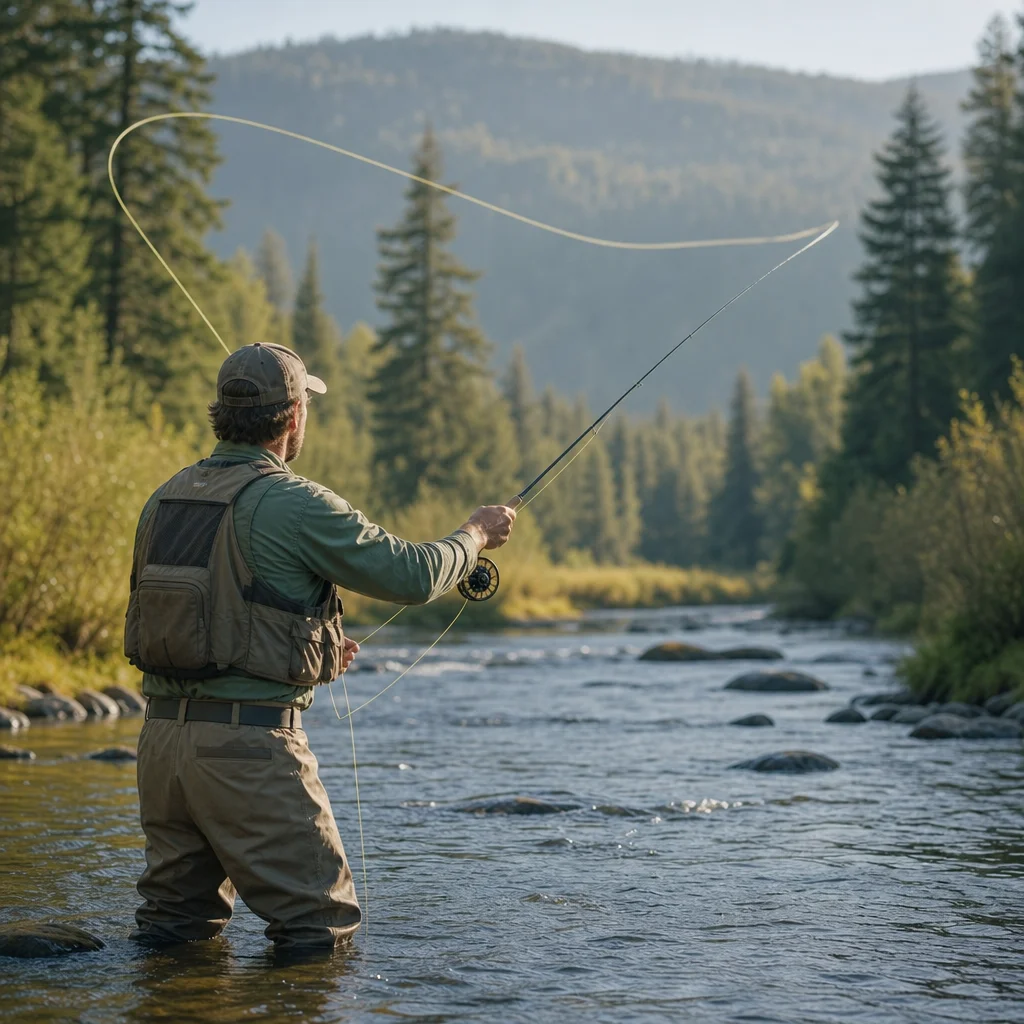
Start with a compact system
Shallow water punishes overbuilt nymph rigs. A long leader, oversized indicator, and several split shot may work in a deep run, but in a small river or spring creek they often produce constant snags, poor turnover, and a fly that never settles naturally.
For moderate depth, build a rig that is short enough to control and heavy enough to reach the feeding lane without relying on repeated indicator adjustments. The goal isn’t to make one perfect setting. It’s to create a rig with a useful adjustment range.
A practical shallow-water setup includes:
- A leader with enough butt section to turn over a compact nymph team
- A small yarn or foam indicator, or a visible sighter section for contact-style fishing
- One or two nymphs, depending on local rules and the water you’re fishing
- A weighted point fly or a small amount of removable weight when needed
- Tippet sized for the flies, current, and fish you expect
For many moderate-depth runs, start with roughly 2 to 4 feet from the indicator or sighter to the point fly. Treat that as a starting range, not a universal formula. Water speed, bottom shape, fly weight, and the trout’s position matter more than a fixed measurement.
Choose the right anchor for the rig
The easiest way to reduce constant adjustments is to use the fly system to control depth instead of immediately adding weight.
A weighted point nymph gives the rig a stable anchor. A lighter, more mobile fly can ride above it as a dropper. This arrangement works well when the bottom is relatively clean and the feeding lane is close to the riverbed but not directly on it.
A useful two-fly arrangement is:
- Tie the heavier nymph to the end of the tippet.
- Attach the lighter nymph 12 to 20 inches above it with a tag or short dropper.
- Keep the dropper short enough that it doesn’t wrap around the leader during casting.
- Use the point fly’s contact with the current to help the upper fly drift naturally.
The exact spacing depends on the water. Shorter spacing is easier to cast and less likely to foul in shallow, brushy runs. Longer spacing samples more of the water column but creates more opportunities for tangles and snags.
If the bottom is especially clean and the trout are willing to move, a single nymph may be the better choice. One fly is easier to cast, easier to track, and less likely to catch vegetation. More flies don’t automatically mean more useful coverage.
Build the rig for control, not maximum depth
Start with the leader you already trust for the rod and line you’re using. Add a manageable length of tippet rather than extending the rig until the indicator is far above the fly. In shallow water, excessive distance creates slack that you’ll have to strip away before you can respond to a take.
Connect the tippet to the leader with a clean, compact knot. A blood knot or double surgeon’s knot works for joining similar or dissimilar diameters. If you’re using a sighter section, keep it visible but not excessively long. Too much bright material can make it difficult to distinguish subtle movement from ordinary current turbulence.
Place the indicator close enough to the flies that you can mend and set quickly. A fixed indicator is simple and dependable when the depth is fairly consistent. An adjustable indicator is useful when you’re moving between pools and riffles, but it can slide, damage fine leaders, or encourage you to make changes too frequently.
For shallow water, a small indicator is usually easier to manage than a large one. It creates less splash, lands more softly, and is less likely to pull the flies out of their drift. If the indicator won’t support the flies, reduce the amount of weight before simply choosing a larger float.
Confirm the problem before changing depth
Watch several complete drifts before making an adjustment. If the flies are ticking bottom occasionally and the indicator moves at the same speed as nearby bubbles, depth may be close; repeated changes may be treating a casting or mending problem instead.
Make a controlled first cast
Avoid dropping the entire rig directly on top of the target. Start slightly upstream or across-stream and allow the flies to enter the lane before the indicator reaches it. A short, open tuck cast places the heavier fly first and keeps the leader from landing in a pile.
Use less power than you would for a long nymph cast. In shallow water, the extra energy often creates a sharp splash or drives the flies into the bottom. Aim for a cast that turns over cleanly, with only a small amount of slack available for the initial drift.
Once the rig lands, mend only enough line to slow unwanted surface drag. A large mend can move the indicator several feet and pull the flies out of the feeding lane. Keep the rod tip high enough to manage line but low enough to maintain contact with the drift.
The indicator should travel at a controlled pace. It doesn’t need to stop completely, and it shouldn’t consistently race ahead of the current around it. Small hesitations, sideways movements, or an unexpected lift can all be reasons to set the hook.
Troubleshoot a rig that hangs up
Snags are useful information when you read them correctly. They don’t always mean the rig is too deep.
If the fly hangs up immediately
The rig may be too heavy for that section, or the first cast may have landed directly on a shallow shelf. Move the cast a little farther toward the current seam and check whether the problem follows the same line.
If it does, shorten the distance from indicator to point fly by 6 to 12 inches. If you’re using split shot, remove one piece before changing the entire rig. A weighted fly may be a better solution than several small shot because it keeps the system more compact.
Also inspect the hook point. A fly caught in rocks can bend or dull the point, making the next snag more likely. Replace or repair damaged flies rather than forcing them through the bottom.
If the fly hangs up only at the end of the drift
This is often a downstream lift problem. As the line straightens below you, the flies rise, swing, and catch the bottom or nearby vegetation. Make the next cast before the rig reaches that final, tight position.
You can also lead the indicator slightly during the drift, keep more line off the water, or lift the rod as the flies pass below you. These changes reduce the sharp pull that turns a good drift into a snag.
If the end-of-drift hang-up happens repeatedly in the same slot, shorten the rig modestly. Don’t respond by shortening it dramatically; a small change can preserve your useful depth while reducing the bottom contact.
If the fly hangs up on every cast
Check the whole system instead of making another small indicator adjustment. Look for:
- A leader or tippet section that is too long for the water
- Excessive weight for the current speed
- A dropper that is wrapping around the point fly
- A cast that piles the leader on top of the target
- A fly with a hook point buried in debris
- A bottom lane that simply isn’t deep enough for the chosen rig
Move to a cleaner lane if one is available. If the fish are holding in shallow water, use a lighter fly and shorten the rig. If the fish are deeper just beyond the shallow shelf, cast past the shelf and let the rig enter the deeper lane rather than forcing it through the shallowest water.
Fix a fly that drifts too high
A shallow rig can also fail by staying above the feeding lane. You may notice the indicator moving smoothly while the flies barely slow, or you may catch fish only when the rig reaches a deeper edge.
Before adding weight, improve the drift. Remove slack, mend upstream when appropriate, and keep the flies moving at the same pace as the current. A fly with no contact to the water column may appear too high simply because drag is lifting it.
If the drift is clean but still too high, make one change at a time:
- Add a small amount of removable weight close to the leader-to-tippet connection.
- Replace the upper fly with a slightly heavier pattern.
- Increase the distance from the indicator to the point fly by a small increment.
- Change to a heavier point fly if the bottom remains clean.
Adding weight and length at the same time makes the result difficult to understand. If the rig starts hanging up, you won’t know which change caused it.
Keep adjustments small and repeatable
A dependable shallow-water rig is easier to fish when every adjustment has a purpose. Use a simple sequence: change the cast, then the mend, then the fly weight, and only afterward the indicator depth. Many apparent depth problems are caused by drag, poor line control, or a rig that lands too heavily.
When you do move the indicator, mark the original position mentally or with a small reference point on the leader. Fish a few complete drifts at the new setting before deciding whether it helped. Constantly sliding the indicator after every cast turns troubleshooting into guesswork.
Carry a few prepared tippet sections with different fly spacing. A short section for shallow riffles and a slightly longer one for deeper pools can be faster than rebuilding the entire rig beside the water. Keep the knots compact and inspect them after a snag.
A simple starting recipe
For a moderate-depth run, begin with a small indicator, a compact leader, and a point fly heavy enough to reach the lower part of the current without dragging. Add a lighter dropper only if it can be cast cleanly and the water offers enough room to manage it.
Fish the first few drifts with careful line control. If the rig hangs up immediately, shorten or lighten it. If it drifts cleanly but rides high, improve the mend before adding weight. If it fishes well until the end of the drift, lift or recast earlier.
The most reliable setup is rarely the deepest one. It’s the one that turns over cleanly, reaches the likely feeding lane, and gives you enough control to recognize what the water is telling you.