When a Tippet Ring Makes Rigging Easier—and When It Adds Problems
Changing tippet on the water can be quick—or leave you with a bulky, snag-prone connection. I’ll help you weigh a tippet ring’s convenience against turnover, visibility, and material savings before choosing where it belongs in your trout rig.
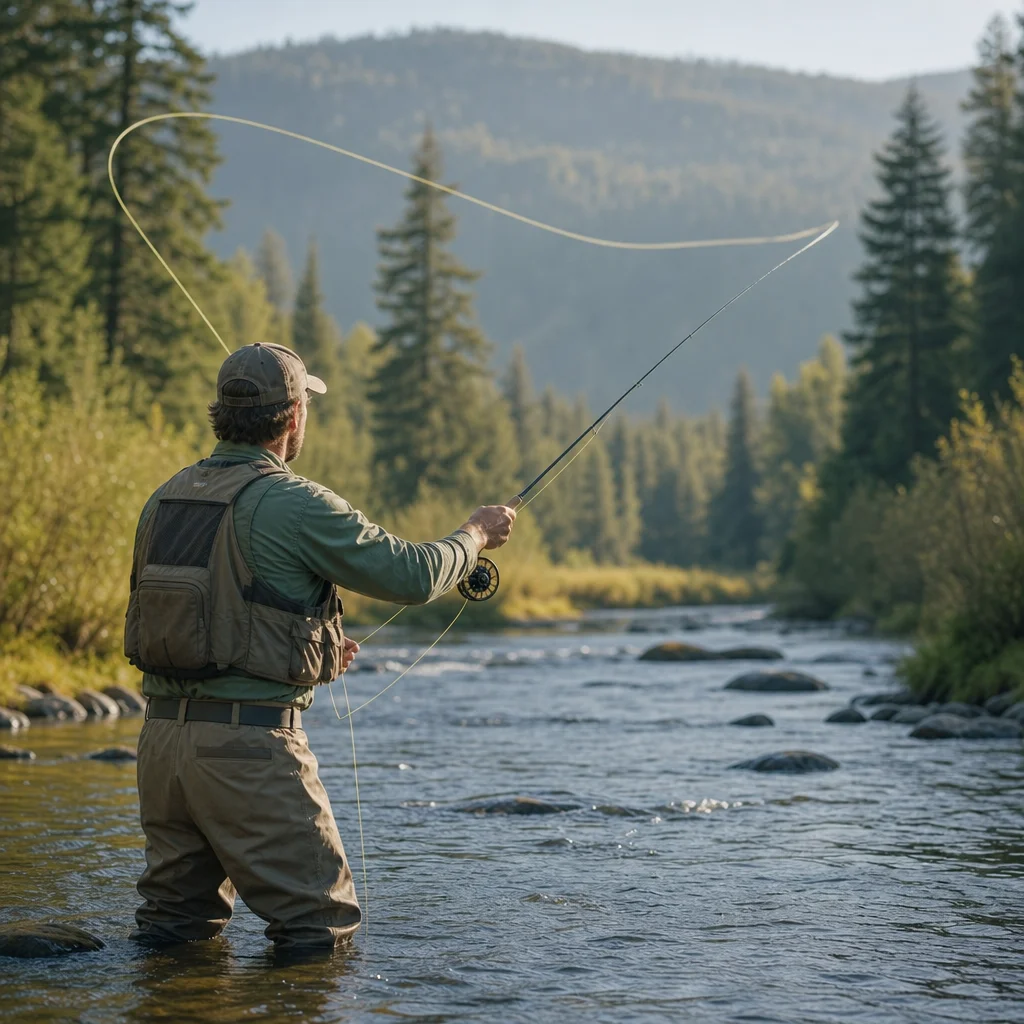
Changing tippet on the water can be quick—or leave you with a bulky, snag-prone connection. A tippet ring may save leader material and shorten rigging time, but it isn’t automatically an upgrade. Its value depends on how you fish, where you place it, and whether the rest of your leader is balanced around it.
What a tippet ring actually changes
A tippet ring is a small metal ring used as a connection point between sections of leader or between a leader and tippet. Instead of repeatedly cutting back a tapered leader and tying on new tippet, you can attach the ring once and replace the tippet from that point onward.
That creates two separate questions:
- Does the ring make changes easier? Usually, yes.
- Does it improve the cast or presentation? Not necessarily.
The ring is a rigging convenience, not a magic component. It can reduce wasted leader material, but it also adds a hard, visible, and potentially snag-prone object to the system.
Where a tippet ring can save time and material
The strongest case for a tippet ring is repeated tippet replacement. If you change flies often, fish around abrasive structure, or routinely shorten tippet after snags, the ring can preserve the tapered portion of your leader.
Without a ring, repeated changes may require you to cut farther up the leader. Eventually, the leader becomes shorter and less tapered. You then either rebuild the missing section or replace the entire leader.
With a ring, you can leave the leader’s terminal connection in place and attach fresh tippet to the ring. That can be especially useful when:
- You’re switching between different tippet diameters during a session.
- You expect to lose tippet to rocks, branches, or streamside vegetation.
- You fish a long leader and want to protect its expensive or time-consuming tapered section.
- Several rods or rigs need similar terminal connections.
- Cold fingers make repeated leader-to-tippet knots frustrating.
The savings aren't automatic. A ring costs more than a simple knot, and it adds another small item to lose or damage. The material advantage appears over multiple changes, not necessarily after one afternoon.
The best placement is usually above the working tippet
For many trout setups, the ring works best at the junction between the tapered leader and the replaceable tippet. The leader provides the taper; the ring provides a durable attachment point; the tippet provides the final length and diameter needed for the fly.
This arrangement lets you change the tippet while leaving the leader mostly intact. It also keeps the ring away from the fly, where it would be more likely to affect presentation or catch on obstructions.
A ring can also be used between leader sections when building a custom rig. That may be useful for anglers who regularly replace a lower leader section or want a repeatable connection. However, every additional junction creates another place for knots, tangles, and hardware to interfere with casting.
As a general rule, place the ring where it solves a recurring problem—not simply because there is room for one.
Turnover depends more on the connections than the ring alone
Turnover is the way energy travels through the leader and extends the fly. A tippet ring can be part of a clean-turning system, but it can also expose poor proportions or poorly seated knots.
Common causes of trouble include:
- A very fine tippet attached to a much heavier section without enough gradual transition.
- Too much soft, limp material below the ring.
- A large knot or tag end catching during the cast.
- A ring placed too close to the fly.
- A leader that is already too long or too light for the wind and fly.
The ring itself is small, but it is rigid and concentrated in one spot. If your leader already struggles to straighten, adding a ring won’t fix the underlying problem. It may make the hinge more noticeable.
To preserve turnover, match the tippet length and diameter to the fly, casting style, and conditions. Keep knots neat, trim tag ends closely, and test the rig over open water before fishing tight banks or complicated currents.
If the leader piles up, shorten the tippet first. If that doesn’t help, reconsider the ring’s position and the diameter transition on either side of it.
Visibility matters most in shallow, clear water
A tippet ring is usually much less visible to a trout than the fly line or leader butt section, but “small” doesn’t mean invisible. In clear, shallow water, a ring may be easier to notice than a simple leader-to-tippet knot.
Visibility is more concerning when the ring is:
- Close to the fly.
- Suspended in a slow, flat pool.
- Positioned above a wary fish’s feeding lane.
- Paired with a long, delicate presentation where every component is exposed.
For a dry fly on smooth water, a knot-only connection may be the cleaner choice. If the ring sits several inches or more above the fly and the tippet is moving naturally, its practical effect may be negligible. The exact distance depends on the rig and presentation, so treat placement as something to test rather than a universal measurement.
In faster water, broken currents, deeper nymphing, or situations where the terminal rig is less exposed, visibility may be a minor concern compared with speed and durability.
Snag management is a major trade-off
A tippet ring can make a snag cheaper to recover from because you may lose only the lower tippet. That is a genuine advantage. You can cut away damaged material and tie on a new section without shortening the main leader.
But the ring can also create its own snagging problems. It may catch on fine branches, weeds, net mesh, or rough rock. If the ring is positioned near the fly, it can become part of the obstruction instead of protecting you from it.
When fishing tight cover, consider whether the ring’s material savings outweigh the chance of adding another object to the system. A simple leader-to-tippet knot has less hardware to catch. On the other hand, if you’re repeatedly breaking off in the same rocky run, a ring above the tippet may reduce the cost and time of recovery.
Avoid pulling hard enough to damage the rod when freeing a snag. Point the rod toward the obstruction and pull with the line or leader as appropriate, keeping hands clear of sudden recoil. Local conditions and tackle strength matter, so use conservative force.
When a ring is a sensible choice
A tippet ring generally earns its place when convenience and material savings are more important than the cleanest possible terminal connection. It’s a good candidate for:
- Frequent tippet changes.
- Nymphing rigs that need regular adjustment.
- Fishing where abrasion and breakoffs are common.
- Long leaders that you want to preserve.
- Anglers who prefer tying one reliable connection and changing only the lower section.
It can also be useful when you’re still refining a rig. A ring gives you a repeatable attachment point, making it easier to compare different tippet diameters and lengths without rebuilding the leader each time.
The key is to keep the ring above the portion of the rig that most often contacts the fish’s view, fly, and structure.
When a knot is probably better
Skip the ring when the connection itself is unlikely to be a problem and presentation is the priority. A direct knot may be preferable for:
- Delicate dry-fly fishing in clear, slow water.
- Very short leaders where the ring would sit close to the fly.
- Fishing through dense vegetation or woody cover.
- A simple setup that you rarely modify.
- Casting situations where the leader already has marginal turnover.
A direct connection also reduces components. Fewer components mean fewer knots to inspect, fewer small items to lose, and fewer possible points of failure.
Check your local tackle rules: Before relying on a ring for a specialized trout setup, confirm that local regulations and competition rules allow the leader configuration and terminal hardware you plan to use. Requirements can differ by water and may change over time.
How to test a ring before committing to it
You don’t need a full day on the river to decide whether a ring suits your setup. Test it in a controlled piece of open water first.
- Tie the ring into the intended position using the knot you trust and tie it cleanly.
- Attach the tippet you normally fish, including the length and fly size you expect to use.
- Make a few relaxed casts rather than forcing the rod.
- Watch whether the leader straightens, hinges, or piles up.
- Check whether the ring catches vegetation, touches the fly, or creates an obvious splash.
- Change the tippet once or twice and inspect the knots afterward.
If the leader turns over cleanly and the ring stays out of the problem areas, its convenience may justify keeping it. If the rig feels clumsy, try shortening the tippet, moving the ring farther from the fly, or removing it entirely.
A cost-conscious decision
For most intermediate anglers, the choice comes down to how often the rig changes and how expensive failure is in that setting.
Choose a tippet ring when it will preserve a leader through several tippet replacements, reduce repeated tying, or make predictable breakoffs less wasteful. Choose a direct knot when you fish a delicate presentation, rarely change tippet, or regularly work through cover where hardware can snag.
Start with one ring on one leader rather than converting every setup. Track whether it actually saves time and material. If you notice cleaner turnover, fewer rebuilt leaders, and no meaningful visibility or snag problems, it has earned a place in your box. If it adds more complications than it removes, the old knot was already doing its job.
Before your next outing, decide where the connection will sit, tie it neatly, and test the complete rig—not just the ring by itself. The most efficient setup is the one that protects your leader without making the fly harder to cast, present, or retrieve.