How to Add Split Shot Without Ruining Your Tippet
Your nymph rig reaches the surface just when the current gets serious, but adding weight can quietly weaken the tippet you trust. I’ll help you compare shot placement, sizes, and attachment habits so you reach depth without sacrificing reliable tackle.
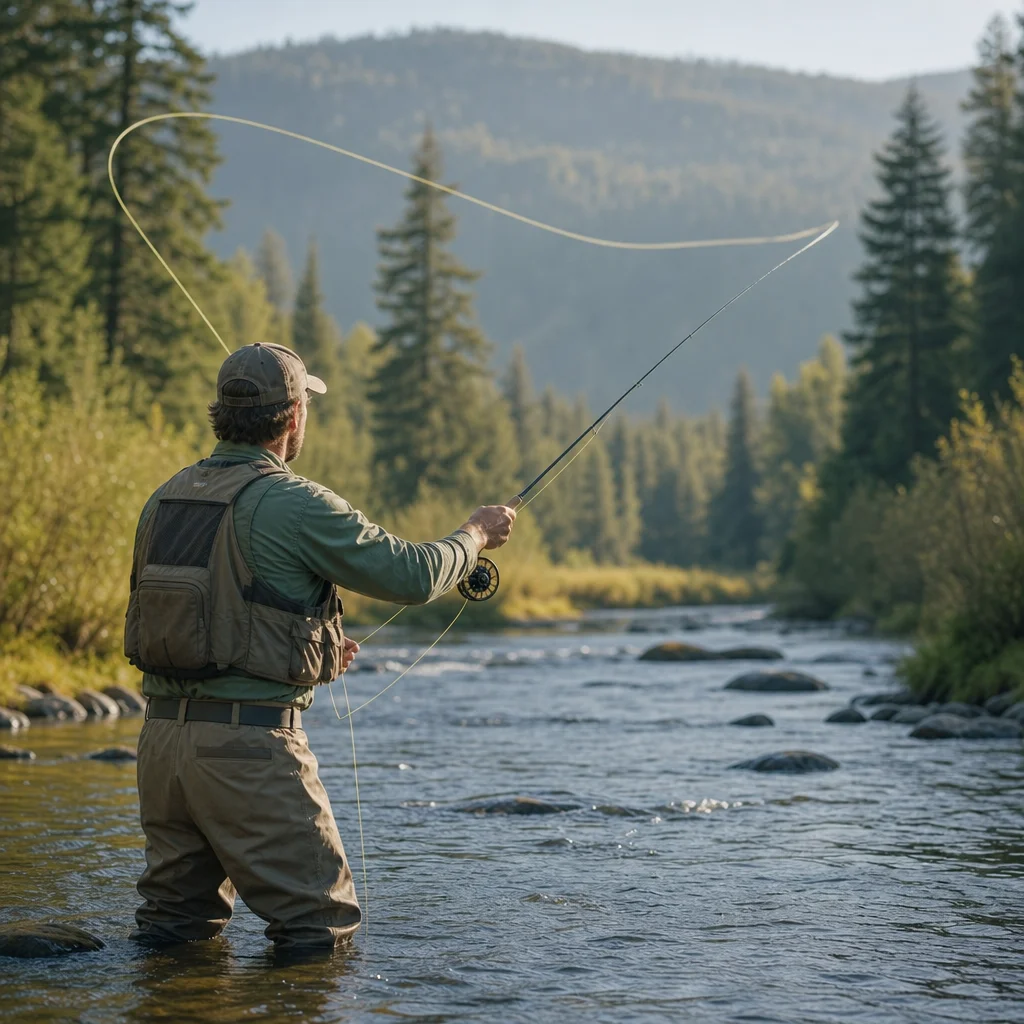
When your nymphs aren’t getting down, split shot seems like the obvious fix. Pinch some weight onto the leader, make a longer cast, and let the current do the rest. The problem is that a hurried pinch can nick, flatten, or sharply bend the tippet—damage that may not show until a trout makes a hard run.
The goal isn’t simply to add more weight. It’s to place the smallest useful amount where it can sink the flies without turning your terminal tackle into a disposable part of the rig.
Put weight above the weakest section
For most nymph rigs, start by keeping split shot off the fine tippet that connects directly to the fly. Place it on a thicker section of leader above the tippet connection instead.
A practical starting point is roughly 12 to 24 inches above the upper fly, adjusted for the depth, current, and behavior of the rig. This position gives the shot enough separation to pull the flies down while leaving the tippet near the flies relatively undisturbed.
The exact distance isn’t a rule. Moving the shot closer to the flies generally helps them reach depth faster, but it can make the drift less natural and increase the chance of snagging. Moving it farther up the leader creates a gentler presentation, though the flies may ride higher in deep or turbulent water.
If your rig uses a heavier butt section and a lighter tippet, the thicker section above the tippet knot is usually the safer place to experiment. Don’t assume every section of leader can tolerate the same pressure. A 4X tippet and a 0X or 1X leader may look similar in your hand, but they don’t have the same resistance to crushing or abrasion.
Avoid pinching shot directly over a knot
A knot creates a hard, uneven spot. Pinching shot over it can concentrate pressure on the leader and make the shot sit at an angle. It may also slide against the knot during casting or when the rig catches bottom.
Leave a short, smooth section of leader between the knot and the shot. If there isn’t enough clean leader available, rebuild the connection rather than forcing weight into a crowded space.
Choose shot size by adjustment, not optimism
Split shot is commonly available in several sizes, and the labels vary by manufacturer. The useful question isn't whether a particular size is “right,” but how much weight your rig needs to reach the feeding lane without dragging.
Start with the smallest shot that produces a clear improvement. Add weight in small steps if the flies are still riding too high. This approach is more reliable than beginning with a large shot and trying to compensate for an over-weighted rig with a faster mend.
Here’s what the common choices generally do:
- Micro or very small shot: Useful for shallow water, low flows, light tippets, and fine adjustments.
- Small shot: A versatile starting point for moderate depth and current.
- Medium shot: Helpful in deeper runs or stronger flows, but more likely to affect casting and snagging.
- Large shot or multiple larger shot: Reserved for conditions that genuinely demand substantial weight; use carefully because the rig becomes harder to cast and easier to catch on the bottom.
The current matters as much as the depth. Fast surface water can conceal a slower feeding lane below, while a deep, smooth pool may require less weight than its depth suggests. Watch your indicator, sighter, or leader angle. If the system never settles and the flies remain high, add a little. If it repeatedly dives, sticks, or drags downstream unnaturally, remove some.
Use the least damaging attachment habit
Most tippet damage comes from excessive force, not from the mere presence of split shot. You want the shot secure enough to stay in place, but not crushed so tightly that it cuts into the leader.
Pinch gently and evenly
Center the leader in the shot’s groove and close the shot with light, even pressure. Use your fingers or the appropriate smooth-jawed tool, depending on the shot style and your control. Don’t bite the shot onto the line, and don’t keep squeezing after it stops moving.
A good attachment should hold during a normal drift but still be removable without scraping the leader. If the shot has flattened the line, left a deep indentation, or created a sharp bend, remove that section and inspect it closely. Fine tippet is inexpensive compared with losing a fish, a fly, and the rest of the rig at once.
Don’t slide fixed shot repeatedly
Sliding shot up and down the leader can create abrasion, especially when grit or small bits of grit and vegetation get caught in the groove. Decide on a starting position, fish it, and make deliberate changes rather than constantly shuffling the shot during a drift.
If you need frequent repositioning, a removable weight system may be a better choice than repeatedly opening and closing traditional split shot on the same section of leader.
Replace compromised tippet
After removing shot, run the leader between your fingers and inspect it under good light. Look for a flattened spot, cloudy discoloration, a kink, roughness, or a section that no longer straightens normally.
If you find damage, cut back to clean material and rebuild the connection. Straightening a kink with your fingers doesn’t restore the original strength. Tippet that looks acceptable can still fail when loaded suddenly, particularly near a knot.
Compare placement options
There isn’t one best location for every nymphing situation. Each placement changes the balance between depth, presentation, casting, and maintenance.
Above the tippet knot
This is the simplest and often the most sensible option. The shot sits on thicker leader material, while the finer tippet remains free near the fly.
Use this arrangement when you need a moderate amount of weight and want quick adjustments. Keep enough distance from the knot to prevent pressure on the connection, and avoid placing the shot so high that it can’t pull the flies into the target depth.
On a short, sacrificial section
Some anglers add a short section of relatively strong, inexpensive material specifically for holding weight. This can make replacement easier if the shot damages the section, and it keeps the finest tippet away from repeated pinching.
The added connection introduces another knot and another possible failure point, so build it cleanly and check it regularly. This approach makes the most sense when you fish weighted nymph rigs often or change shot frequently.
On a tag or dedicated weight point
A tag end from a suitable leader connection can provide a separate place for weight. The benefit is that the shot isn’t attached directly to the tippet leading to the fly. The drawback is extra bulk and the possibility that the tag catches weeds, stone, or the current.
Keep the tag short enough to avoid tangles, and don’t use a weak or damaged tag simply because it’s convenient. The weight still needs a dependable attachment point.
Removable alternatives
Removable split shot, tungsten putty, and other purpose-made weighting products can reduce the need to pinch and remove conventional shot repeatedly. They may cost more than basic split shot, and each product has its own limits in cold water, strong current, or around vegetation.
These options are particularly useful when you’re moving between shallow and deep runs throughout the day. You can make smaller changes without repeatedly crushing the same leader section.
Check your local weight rules: Before choosing lead shot or a substitute, confirm the current fishing regulations for the water you’ll fish. Some jurisdictions restrict particular materials or sizes, and rules can differ between rivers, seasons, and designated waters.
Balance weight against casting and snags
Split shot changes more than sink rate. It adds momentum to the rig, so the cast should become shorter, smoother, and more open. Avoid sharp, high-speed false casts with a weighted terminal rig. A water load, roll cast, or compact tuck cast is often easier to control and places less stress on the connections.
Keep the weight from becoming a hard projectile. Look before you cast, especially when fishing around other anglers, low branches, or uneven banks. If the rig is too heavy to lift safely, strip in and rebuild rather than forcing an aggressive overhead cast.
You also don’t need to fish the bottom to fish effectively. Occasional contact can tell you the rig is deep enough, but continuous snagging usually means the shot is too heavy, too close to the flies, or both. Remove a small amount of weight or move it slightly upstream along the leader and observe the change.
A simple adjustment sequence
When you need more depth, use this order:
- Confirm the flies are suitable for the depth. A heavier or slimmer nymph may solve the problem without extra shot.
- Check your drift and mend. Poor line control can hold flies high even when the rig is weighted.
- Add the smallest useful shot. Place it on clean, thicker leader material above the tippet connection.
- Watch the next several drifts. Look for a lower indicator, improved contact, or fewer flies riding near the surface.
- Move or remove weight deliberately. Don’t keep pinching the same spot while trying to find the perfect position.
- Inspect the leader after changes. Replace any section that is flattened, kinked, or rough.
This process takes a little longer than adding a large shot immediately, but it gives you information. You learn whether the problem is weight, depth, drift, or fly design instead of changing everything at once.
Practical next steps
Before your next outing, organize several shot sizes and mark the stronger sections of your leader setup mentally or with a suitable rigging plan. Start with a small amount of weight above the tippet knot, leave room around knots, and pinch only as firmly as needed.
After a few casts, assess three things: Is the fly reaching the feeding lane? Is the drift still natural? Does the leader remain smooth? If the answer to any of these is no, make one small change at a time. Reaching depth is useful, but reaching it with a sound tippet is what keeps the next trout from turning a good drift into a quick lesson.