A Simple Logbook for Turning Trout Trips Into Better Decisions
A useful trout log connects water conditions, fly choice, depth, presentation, mistakes, and adjustments instead of collecting disconnected notes. I’ll show you how to build a simple record that helps explain tough days and repeat productive decisions without turning fishing into paperwork.
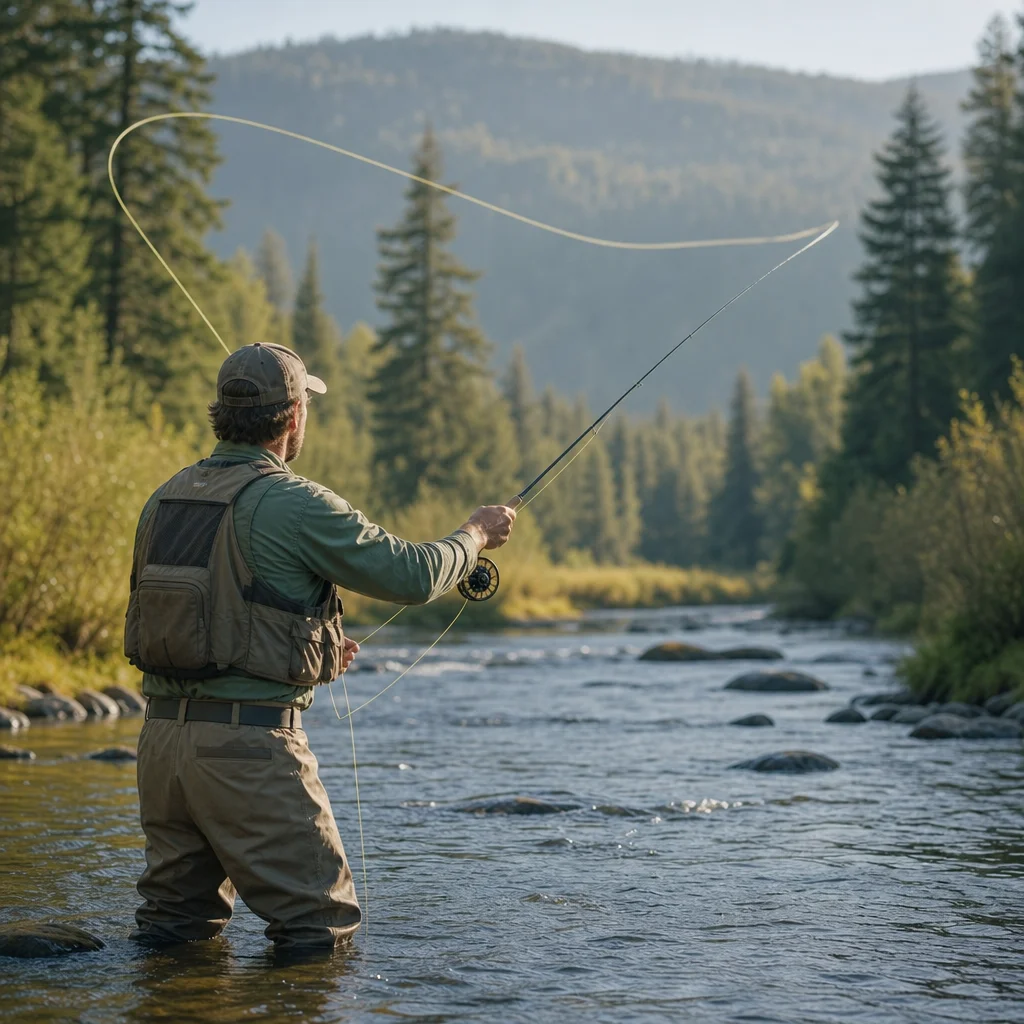
A trout log is most valuable when a trip goes wrong. On a day when fish refuse familiar flies, the water looks different, or every promising drift falls apart, a few useful notes can help you separate bad luck from a repeatable problem. The goal isn’t to document every cast. It’s to capture enough context to make your next decision better.
Start with the decisions you want to improve
Before choosing a notebook or phone app, decide what you want the log to answer. Useful questions include:
- Where did trout hold under similar water conditions?
- Which flies worked, and how were they presented?
- Were fish feeding near the surface, in the middle of the water column, or close to the bottom?
- What changed when a pattern began producing?
- Which mistakes repeatedly cost you opportunities?
- What should you try first on the next visit?
These questions keep the log practical. If a detail won’t help you choose a location, fly, depth, presentation, or recovery tactic later, it probably doesn’t need a permanent place in your notes.
Use a minimum viable trip record
A simple entry can fit on one phone screen or half a notebook page. Record the following before leaving or shortly after you finish:
- Date and general location: Include the river, stream, lake, or section you fished.
- Time: Note when you started and finished, or at least the main fishing window.
- Weather and light: Record cloud cover, wind, precipitation, and whether the water was in bright sun or shade.
- Water conditions: Describe clarity, level, speed, temperature if you measured it, and whether the water was rising, falling, or stable.
- Setup: Note rod weight, leader and tippet, indicator or split shot, and any other equipment that affected your presentation.
- Flies tried: Include size, color, style, and order of use.
- Depth and location: Describe whether you fished riffles, seams, pools, banks, undercut edges, or submerged structure.
- Result: Record refusals, follows, strikes, landed fish, lost fish, and periods with no response.
- Adjustment: Write down what changed immediately before the action improved or stopped.
You don’t need precise measurements for every category. “Slightly stained and higher than last visit” can be more useful than an invented level estimate. Consistent descriptions are the important part.
Separate conditions from conclusions
A log becomes difficult to use when observations and interpretations are mixed together. Try to record what happened before deciding why it happened.
For example:
Water was lightly stained. Three fish moved toward a size 14 dry but turned away. A smaller emerger fished just below the surface produced two short takes.
That entry gives you evidence. A conclusion such as “the trout wanted small emergers because the hatch was underway” may be correct, but it’s less certain if you didn’t actually see emerging insects. Keeping the two ideas separate makes future comparisons more honest.
Use a short structure such as:
- Observed: What you saw, felt, or measured.
- Tried: What fly, depth, drift, or position you used.
- Changed: What you altered.
- Result: What happened afterward.
- Next test: What you’ll investigate next time.
This turns a story into a troubleshooting record.
Record presentation, not just the fly
“Size 16 nymph worked” is incomplete. The same fly can succeed or fail depending on how it moves through the water.
Add a few presentation details:
- Was the fly dead-drifted, swung, stripped, or lifted?
- Was it fished upstream, across-current, or downstream?
- Did you mend immediately, gradually, or not at all?
- Was the fly suspended beneath an indicator or fished close to the bottom?
- Did the leader land softly, or did it straighten and pull the fly?
- Were strikes immediate, late in the drift, or concentrated near structure?
You don’t have to describe every cast. Note the version of the presentation that produced a response. “Same fly, deeper and slower along the seam” is a far more useful future instruction than simply naming the fly.
Track depth as a range
Exact depth can be hard to estimate, especially in moving water. A practical log can use broad categories:
- Surface or in the film
- A few inches below the surface
- Midwater
- Near the bottom
- Bottom contact or occasional ticking
If you’re using an indicator, record the approximate distance between indicator and fly. If you’re tight-line nymphing, note whether you maintained contact, felt occasional bottom, or stayed above the riverbed.
Depth notes are especially useful when a familiar pattern produces no action. The issue may not be fly selection at all. Your fly may simply be traveling above the fish.
Write down mistakes without turning the log into a confession
A useful log includes errors in neutral language. “Spooked the pool by wading too soon” is more actionable than “ruined everything.” Specific mistakes can be corrected; self-criticism usually can’t.
Consider recording:
- Entered the water before fishing the near bank
- Cast too close to visible fish
- Put too much line on the water
- Dragged the fly during the final part of the drift
- Changed flies repeatedly without changing depth or position
- Failed to check the tippet after a snag or rough landing
- Left productive water after one poor drift
- Stayed too long in an unproductive section
The purpose isn't to prove that every bad result was your fault. Trout, weather, and water conditions can be uncooperative for reasons you can’t control. The purpose is to identify decisions you can control on the next attempt.
Log adjustments as small experiments
When a trip is slow, change one major variable at a time whenever practical. If you replace the fly, add weight, move upstream, shorten the leader, and change your retrieve all at once, you may catch a fish without learning which adjustment mattered.
A useful sequence might look like this:
- Keep the location and fly the same, but fish deeper.
- Keep the depth, but improve the drift with a different mend.
- Change the fly while preserving the same depth and presentation.
- Move to a different current speed or structure type.
Real fishing doesn’t always allow a neat experiment. A rising river or moving hatch may require several quick changes. Still, noting the order of changes can reveal patterns later.
Review the next experiment: Before you leave, choose one variable to test first on your next trip—depth, fly size, drift speed, location, or leader presentation. Writing that choice down prevents a vague plan such as “try harder next time.”
Use a quick rating system carefully
A simple rating can make entries easier to scan, but it shouldn’t replace useful detail. You might rate each category from one to five:
- Fish activity: None to widespread
- Presentation quality: Inconsistent to controlled
- Water read: Uncertain to clear
- Decision confidence: Guessing to well-supported
These ratings are subjective, so use them to compare your own trips rather than to create objective scores. A low activity rating with a high presentation rating tells a different story from a low rating in both categories.
You can also mark the outcome with a few abbreviations:
- R: Refusal or visible rejection
- S: Strike
- L: Landed fish
- M: Missed or lost fish
- A: Adjustment that produced a response
Keep abbreviations limited. A system that requires a reference card beside the water has become too elaborate.
Review the log after several trips
One trip can mislead you. A single fish may respond to an unusual combination of conditions, while a blank day may reflect poor timing rather than a bad technique. Review entries in groups of three to five trips, especially those from similar water and seasons.
Look for repeated connections:
- Fish responded deeper when water was higher.
- Smaller flies produced more refusals but better hookups in clear, low water.
- The best results came after moving away from the most obvious holding water.
- Lost fish followed the same weak-knot or damaged-tippet problem.
- A particular fly worked only when presented slowly along a seam.
- Your notes become less detailed when the day gets busy, making those trips harder to evaluate.
The aim isn't to discover a permanent rule such as “this fly always works.” Aim for conditional guidance: “When the water is clear and low, begin with a smaller profile and a longer, softer presentation.”
Create a one-line next-trip plan
End every entry with a short instruction you can actually use. Examples include:
- “Start by fishing the shaded bank before wading across.”
- “If the first fly gets refusals, change size before changing color.”
- “Check depth before carrying more patterns.”
- “Inspect the tippet after every fish or snag.”
- “Spend three careful drifts on each seam before moving.”
This line is the bridge between record-keeping and better decisions. Without it, your log becomes an archive. With it, the log becomes a preparation tool.
Choose a format you’ll keep using
A pocket notebook is quick, durable, and easy to use with cold or wet hands. A phone note makes searching and copying repeated conditions easier. A spreadsheet can help you compare water level, fly size, depth, and results across many trips, but it also invites unnecessary detail.
Choose the least complicated format that lets you answer your core questions. You can always add structure later. Starting with a short, consistent entry is more valuable than designing a perfect system and abandoning it after two outings.
Practical next steps
On your next trip, record only five things if that’s all you can manage: water condition, location, fly, depth, and presentation. Add one mistake and one adjustment before you pack up.
After three trips, look for repeated links rather than isolated successes. Then turn the clearest pattern into a first-step plan for your next outing. A good log won’t eliminate slow days, but it can make them less mysterious—and give you something better to do than blame the trout.