How to Plan a Trout Trip Around Short Daylight in Late Fall
I’ll clarify how to schedule, pack, and pace a late-fall trout trip when daylight is limited and weather shifts quickly. You’ll learn where to spend your best fishing hours, what not to carry, and which local rules and forecasts to verify.
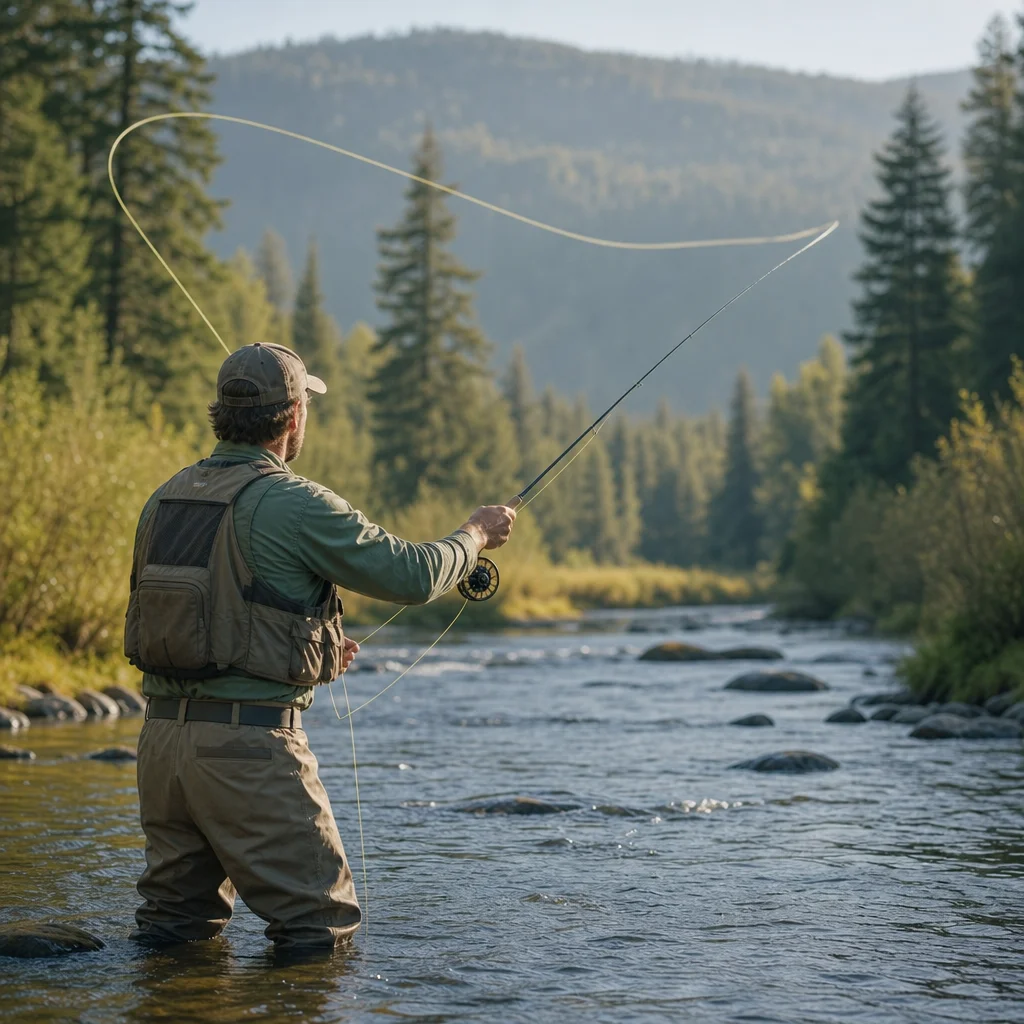
Late-fall trout trips often fail before the first cast. You leave too late, underestimate the walk back, bring summer gear into winter conditions, or spend the best light driving between access points. Short daylight rewards a tighter plan, not a frantic one.
The goal is to make each daylight hour count while keeping enough margin for cold, changing weather, and a safe return. That usually means choosing a simple destination, fishing the most productive period deliberately, and packing for the trip you might have—not only the trip you hope to have.
Start with the return time, not the first cast
Work backward from the moment you need to be back at your vehicle or lodging. In late fall, darkness can arrive while you’re still walking a familiar trail, and cold can make that walk slower than expected.
A useful schedule includes four separate periods:
- Approach time: Driving, parking, organizing, and walking to the water.
- Fishing time: The period when you’ll actually be making casts.
- Exit time: Walking out, crossing rough ground, and packing the vehicle.
- Weather margin: Extra time for a delay, wet footing, a navigation mistake, or a sudden change in conditions.
If sunset is at 4:40 p.m., for example, an exit time of 4:35 p.m. isn't a responsible plan. You’ll need to be off the water well before dark, especially if the route includes slippery banks, wading, or unfamiliar terrain.
Set a firm turnaround time before you start fishing. Your watch or phone alarm can help, but don’t rely on a device that may lose battery in the cold. Write the time down or tell your fishing partner. The best late-fall trip often ends with a few fishable minutes still available rather than an urgent walk in fading light.
Check the daylight and access details: Confirm the local sunrise, sunset, civil-twilight conditions, parking hours, gate closures, and any seasonal access restrictions before you leave. These details vary by date and location, and a map’s normal operating hours may not reflect late-fall changes.
Choose one efficient piece of water
Short daylight makes travel expensive. Every extra access point costs time that could have been spent fishing, and late-fall roads or trails may be slower than they are in summer.
For most trips, choose water that offers:
- A short, straightforward approach
- Reliable legal parking or access
- Several types of trout water in one area
- A clear route back to the vehicle
- A reasonable alternative if wind, high water, or crowds change the plan
A compact stretch with riffles, pools, softer seams, and nearby cover is more valuable than a famous destination that requires a long hike and several changes of location. You’re buying fishing time with your travel choices.
If you’re traveling a long distance, consider staying near the water or fishing for a full day rather than dividing a short window between multiple rivers. Fuel, meals, and repeated parking fees can quietly cost more than a simple overnight stay or a closer local stream. Compare the complete trip cost, not just the distance on the map.
Build a primary plan and a nearby backup
Your backup should solve a specific problem. Pick a second location with similar access and water characteristics, rather than keeping a long list of vague possibilities.
For example:
- If the primary stream is blown out, use a smaller tributary with more protected water.
- If strong wind makes casting difficult, choose a wooded reach or a different bank.
- If the trail is icy or inaccessible, use a shorter walk with easier footing.
- If the water is crowded, move to a legal access point nearby instead of driving for hours.
Check the backup before the trip, including parking, access permission, and the route between locations. A backup that requires an entirely new navigation problem may not save time or reduce risk.
Schedule around the most useful light
Late-fall fishing isn't necessarily an all-day activity compressed into fewer hours. Plan around the part of the day most likely to suit your target water and method, while recognizing that trout behavior varies with temperature, cloud cover, water level, season, and local conditions.
A simple schedule might look like this:
- Before sunrise: Load the vehicle, confirm the route, and arrive with enough time to organize legally and safely.
- Morning: Fish accessible water while you have plenty of daylight for reading currents and adjusting tactics.
- Middle of the day: Eat, warm up, retie leaders, and move only if the expected benefit justifies the travel time.
- Afternoon: Fish the strongest remaining window, then stop early enough for a calm exit.
You don’t have to arrive before sunrise to make the day worthwhile. A later start can be more efficient if it avoids a long wait in freezing conditions, reduces driving in darkness, or lets you reach the water when temperatures and activity are more favorable.
Avoid creating a schedule that depends on perfect timing. A fifteen-minute delay at a fuel station or an extra stop to put on layers can consume a surprising portion of a short day. Leave room for ordinary inconvenience.
Pack for warmth without turning the trip into an expedition
The cost-efficient packing approach is to bring the items that protect your ability to fish and exit safely, not every piece of equipment you own.
Clothing and personal protection
Use a layered system that lets you adjust without stopping for a complete change:
- Moisture-managing base layer
- Insulating middle layer
- Wind- and water-resistant outer layer
- Warm hat and spare gloves
- Wicking or wool socks, plus a dry spare pair
- Eye protection and sunscreen when conditions call for them
Late fall can produce sun, rain, sleet, and wind in the same outing. A compact shell and dry emergency layer often provide more value than an oversized collection of specialized clothing.
Wear footwear suited to the actual terrain. If you plan to wade, confirm that your waders, belt, boots, and traction system are in good condition before the trip. Cold water and slippery rocks increase the consequences of a small mistake. Wade conservatively, avoid crossing if you can fish the other bank, and don’t treat low water as automatically safe.
The compact tackle list
Start with one versatile rod, reel, line, and leader setup that fits the water and regulations. Add only the flies, tippet, indicators, split shot, or other terminal gear you’re likely to use.
A small fly box organized by likely conditions is easier to manage than several boxes left open to the weather. Carry a few proven patterns in different sizes and weights, along with enough replacement tippet and leaders for the day. Cold fingers make knots slower, so a small nipper, forceps, and line-cleaning supplies are worth keeping accessible.
Bring a net if it helps you handle fish quickly and safely. Rubber or rubber-coated mesh can reduce tangling and may be gentler on fish than rougher alternatives, but local guidance and species-specific handling recommendations should take priority.
Safety and comfort items
Pack these where you can reach them without emptying the vehicle:
- Fully charged phone in a waterproof case or bag
- Small power bank kept warm and dry
- Headlamp, even if you intend to finish in daylight
- Basic first-aid supplies
- Food and water
- Emergency layer or blanket
- Map or downloaded offline route
- Whistle or another simple signaling tool for remote areas
A headlamp isn't permission to fish until dark. It gives you a safer option if the exit takes longer than planned.
Verify the rules for your exact water: Check the current license, season, catch-and-release or harvest requirements, bait and tackle restrictions, closure notices, and access permissions for the specific stream or river section. Late-fall regulations can differ between nearby waters, and official agency information should take precedence over older maps, posts, or advice.
Use the short day to reduce decisions
Decision fatigue wastes daylight. Before leaving, decide what you’ll do when you reach the water:
- Fish the first accessible productive water for a set period.
- Change one variable at a time—depth, fly size, retrieve, or position.
- Move only when you have a reason, not because the first few casts were unproductive.
- Stop experimenting when the turnaround time approaches.
This approach also saves money. You’ll use fewer flies, avoid unnecessary fuel trips, and learn more from each adjustment. If a technique is working, resist the urge to redesign the entire setup.
Keep your most-used items in consistent pockets. In cold weather, repeatedly removing gloves to search through bags costs warmth and time. A small chest or waist pack can be more efficient than a large pack for a short walk, provided it holds your safety essentials and doesn’t interfere with wading.
Watch conditions that can change the plan
Check the forecast shortly before departure and again before starting the walk. Pay attention to temperature, wind, precipitation, river levels, road conditions, and the timing of any front or storm. A forecast is useful for planning, but it isn’t a guarantee.
Leave or relocate if conditions create a hazard you can’t manage. Examples include rising or discolored water, ice that makes the bank unsafe, lightning, poor visibility, or a temperature drop that leaves you unable to stay warm. Fishing is optional; getting back safely is the fixed part of the plan.
If you’re alone, tell someone where you’ll park, which access point you’ll use, and when you expect to return. Update that person if you change locations. Cell coverage can be unreliable near valleys, forests, and remote rivers, so don’t build a plan that depends on a successful call.
A late-fall trip checklist
Before leaving, confirm:
- You know the legal fishing hours and current regulations.
- Your access point and backup are open and permitted.
- Your turnaround time leaves room for the walk out.
- The forecast and water conditions fit your experience and gear.
- Your phone, headlamp, navigation, food, and extra layer are packed.
- Your wading and traction equipment is in working order.
- Someone knows your location and expected return.
- You’ve chosen a small, realistic tackle selection.
Late-fall trout fishing becomes more efficient when you stop treating daylight as an inconvenience and start treating it as a budget. Spend that budget on accessible water, deliberate fishing, and a comfortable exit. Check the current rules and conditions, pack a few high-value safety items, and leave yourself enough light to finish the day without rushing.