What to Bring for Two Hours of Trout Fishing After Work
I’ll clarify what a genuinely useful two-hour trout-fishing kit looks like, including the small safety, access, and weather items that are easy to overlook when you’re heading straight from work. You’ll also see what can stay at home.
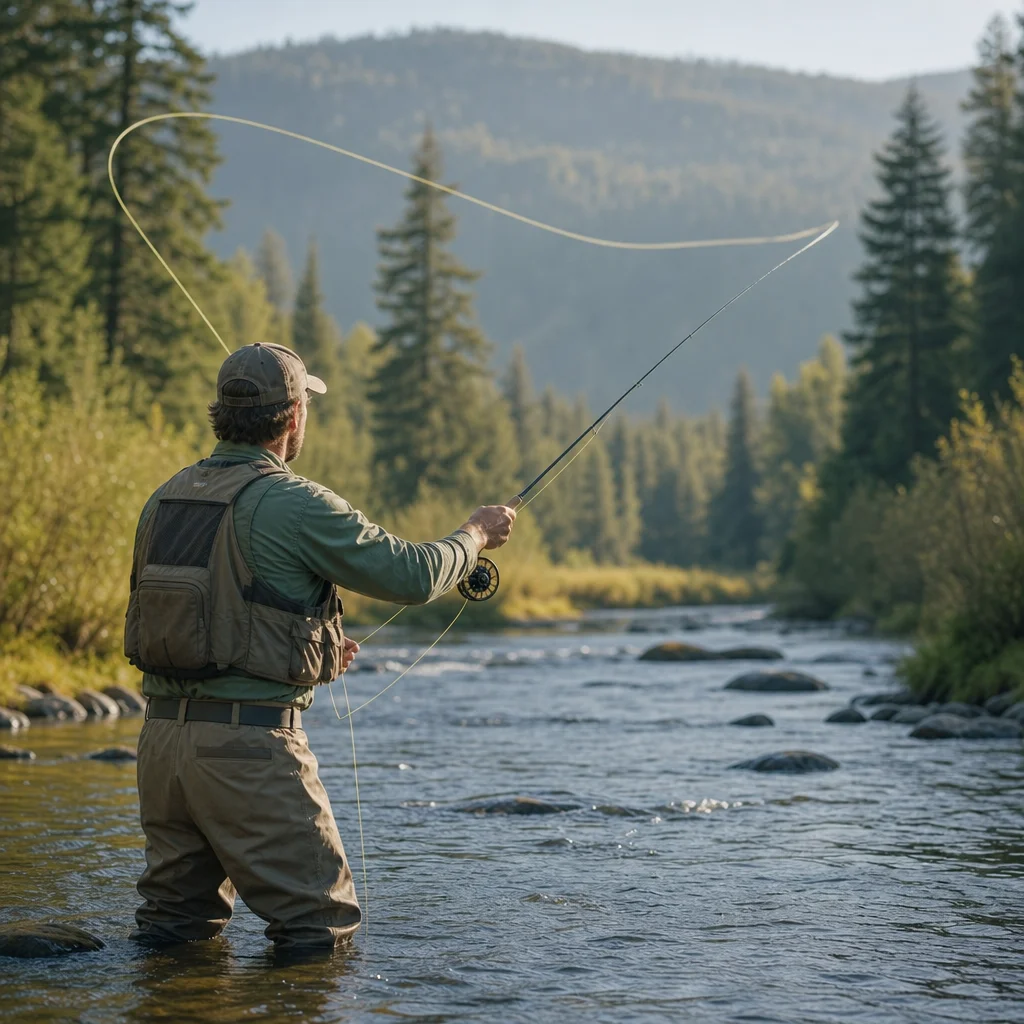
A short after-work fishing trip fails when packing takes almost as long as fishing. The answer isn’t to carry a miniature version of every item you own; it’s to build a kit around the actual conditions you’ll face between leaving work and heading home.
For most two-hour outings, pack for four things: reaching the water, fishing effectively, handling a trout responsibly, and getting back safely. Everything else has to justify its space, weight, or delay.
Start with the trip, not the tackle box
Before choosing gear, define the outing in practical terms:
- How long will it take to reach the water?
- Will you fish one familiar access point or move between several?
- How much daylight will remain when you arrive?
- Are you going directly from work or stopping at home first?
- Will you be wading, fishing from shore, or walking along a trail?
- Is the forecast stable, or could weather change quickly?
A compact kit for a familiar suburban stream can fit in a small sling or vest. The same two-hour fishing window may require a backpack if it includes a long walk, uneven banks, cold weather, or a late return.
The clock matters more than the nominal fishing time. If your two-hour window includes changing clothes, walking to the stream, and packing up before dark, you may have less than an hour of actual casting. Pack for a clean start and a fast exit.
Check tonight’s access: Before leaving work, confirm that the water is open to fishing, your access point is permitted, and any local rules or seasonal restrictions still apply. Urban and suburban access can change with closures, construction, private-property boundaries, or posted hours.
The compact essentials
Rod, reel, line, and leader
Bring the outfit suited to the water you’re actually visiting, not the one that covers every possible trout scenario. A rod and reel with the appropriate line, a leader already attached, and a few spare leaders are usually enough for a short session.
Rigging before you leave saves valuable minutes. You can still make final changes at the water, but you shouldn’t spend the first part of your limited outing threading line through guides or searching for a missing tippet section.
Carry a small amount of spare terminal material rather than a full collection. A few leader or tippet options, plus a way to cut and attach them, cover most routine changes. Keep those items in a waterproof pouch so a leaking water bottle or sudden rain doesn’t turn them into a tangled drawer.
A deliberately small fly selection
Take flies based on the water’s likely food and your confidence, not on the size of your collection. A compact selection might include:
- A few general-purpose surface patterns
- A few nymphs or other subsurface patterns
- One or two streamers if the water and regulations make them appropriate
- Several sizes or weights of the patterns you trust most
The goal isn't to imitate everything a trout could eat. It’s to cover the most likely presentations and give yourself a backup when a pattern is lost or damaged.
Store flies in a small box you can open with cold or wet fingers. A large box encourages indecision and takes up room that could be better used for spare leaders, forceps, or a light. If you’re fishing a familiar stretch, bring the patterns that match its depth, current, and cover.
Tools for changing flies and releasing fish
A few small tools do important work:
- Nippers or line clippers
- Forceps or hemostats for removing hooks
- A small fly floatant or other treatment, if relevant to your setup
- A hook file only if you regularly need one
- A measuring device only when it serves a genuine purpose
Forceps are particularly valuable around small hooks and awkward takes. Choose a model you can reach easily, and attach it securely. A tool buried under extra fly boxes is technically packed but practically absent.
If you expect to photograph a fish, add a soft, knotless landing net when conditions call for one. On small water, a net can be more cumbersome than helpful if it catches on brush, but handling a lively trout with dry hands or on rough ground is worse. Decide based on the bank, fish size, and landing difficulty.
Clothing for the transition from work to water
The best after-work fishing clothes are the ones that let you move safely without requiring a complete expedition wardrobe.
Pack or wear:
- Comfortable shoes with traction appropriate to the bank or wading conditions
- A layer that can handle cooling temperatures after sunset
- Rain protection when the forecast is uncertain
- A hat or cap for glare, sun, and stray branches
- Clothing that protects your skin from brush and insects
You don’t necessarily need waders for a two-hour trip. If the fishable water can be reached and covered from shore, leaving waders at home may save changing time and reduce the temptation to enter water unnecessarily. If wading is central to the plan, don’t treat limited time as a reason to skip suitable footwear or rush into a crossing.
A spare pair of socks is a small item with a large effect after an accidental step in the water. In warm, dry weather, it may remain unused. In colder conditions or on slippery banks, it can turn an uncomfortable return trip into a manageable one.
If you’re leaving directly from an office, a simple change of shirt or trousers may be more useful than specialized fishing clothing. Keep your work clothes dry and your fishing gear separate. A compact plastic bag can contain damp clothing or muddy footwear on the drive home, but it shouldn’t be used as a substitute for a proper waterproof case for electronics.
The items that protect the trip
A short outing still needs a small safety margin. Carry the following according to the location and conditions:
- Phone in a water-resistant case or sealed pouch
- Small first-aid kit
- Headlamp or compact flashlight
- Water and a simple snack
- Sunscreen and insect repellent when appropriate
- Any medication you may need during the outing
- Identification, payment method, and vehicle or house keys
The light is the item most often left behind because the trip begins in daylight. After-work fishing has a built-in sunset problem, and trees can make a trail dark before the official end of the day. A headlamp is easier to use than a phone light while walking, packing, or dealing with a snag.
Keep keys and phone in secure, accessible places. A zippered pocket is preferable to an open vest pocket when you’re bending, wading, or scrambling along a bank. If your phone is your map, emergency contact, and camera, protecting it is part of the fishing plan rather than an optional convenience.
For urban and suburban waters, add a small amount of hand sanitizer or a way to clean your hands before eating. Don’t assume clear-looking water is suitable for drinking, and don’t eat while your hands are covered in fish slime, bait residue, or stream sediment.
What to leave at home
A short trip becomes inefficient when you pack for every possible failure. Unless the location or forecast calls for them, leave these behind:
- Multiple rods and reels
- Several large fly boxes
- A full tying kit
- More clothing than the temperature requires
- Bulky camp or cooking equipment
- Extra camera equipment
- A large net for water where it creates more obstacles than benefits
- Tools you don’t know how to use or rarely need
You can also leave behind the expectation that you must cover every piece of water. Two hours rewards a focused plan. Choose one access point, one or two likely holding areas, and a small number of presentations. Moving constantly may feel productive, but it can consume the entire outing on urban water where parking, fences, and trails interrupt the route.
The exception is a known problem. If a particular stretch regularly produces broken leaders, thorny banks, or difficult landings, bring the item that addresses that problem. Minimalism should remove redundancy, not useful preparation.
Adjust the kit for common edge cases
You’re fishing unfamiliar urban water
Prioritize access information, secure storage, and a light over additional flies. Bring only what you can manage while watching your footing and surroundings. A small net, forceps, and a phone in a sealed case may matter more than a second rod.
Don’t assume an inviting bank is public access. Respect posted boundaries, private property, trail closures, and other users. If parking or walking conditions are uncertain, allow extra time and choose a conservative route rather than trying to solve access problems after dark.
Rain is possible but not certain
Use small waterproof pouches instead of carrying a large waterproof pack. Protect your phone, keys, wallet, spare leaders, and any medication first. A lightweight shell is usually more useful than an umbrella around casts, brush, and uneven banks.
Dry flies, paper packaging, and untreated materials can suffer in a wet box. Separate anything that needs to stay dry, and don’t count on a damp fly box being ready for the next morning.
The water is cold or fast
A short fishing window doesn’t make cold-water risk disappear. Bring appropriate footwear, avoid unnecessary crossings, and carry a light for the return. If safe access depends on a rushed wade, choose a different spot or fish from shore.
For trout, keep handling brief and deliberate. Wet your hands before touching a fish, keep it in or close to the water, and avoid lifting it for a photograph if conditions make that difficult. A two-hour outing isn't improved by turning one catch into a prolonged landing exercise.
You’re fishing after a full workday
Fatigue affects decisions. Put the essentials in one place before work, and decide in advance where you’ll fish and when you’ll leave. If you’re distracted, hurried, or too tired to move safely along the bank, shorten the session or skip the difficult section.
A snack, water, and a simple packing routine can prevent the familiar late-trip mistake of rushing because you’re hungry, cold, or losing light.
A repeatable after-work packing list
For a familiar two-hour outing, your baseline kit can be:
- Rigged rod and reel
- Small fly box
- Spare leaders or tippet
- Nippers and forceps
- Net if the landing conditions justify it
- Water and snack
- Phone, keys, identification, and medication
- Headlamp
- Weather-appropriate layer and rain protection
- Small first-aid kit and hand-cleaning supplies
Add wading gear, extra clothing, or more food only when the route, weather, water, or return time requires it. The list should change with the situation, but it shouldn’t become a reflexive inventory of everything in your fishing room.
Make the first five minutes count
Keep the rod case, clothing, and compact tackle kit together so you can leave without searching. Tie on a reliable starting fly before departure when it’s safe and practical, and put spare terminal tackle somewhere you can reach without unpacking everything.
At the water, pause long enough to assess footing, flow, wind, and the remaining light. Then start with the presentation that fits those conditions. If the first setup isn’t working, make one clear change rather than opening every box.
For the trip home, reverse the process: secure hooks, protect wet gear, check for keys and phone, and use your light before the trail becomes difficult. A small, intentional kit gives you more fishing time without asking you to gamble with safety or carry a traveling tackle shop.
Pack for the water you can realistically reach, the daylight you actually have, and the problems most likely to occur. When the basics are ready and the redundancies are gone, two hours after work can be enough for a focused, satisfying session—even if the trout remain committed to keeping the score private.