What to Pack for Your First Trout Stream in Spring
I’ll help you pack for a comfortable, low-cost half-day on your first spring trout stream, from warm layers and basic tackle to food, wading essentials, and sensible plans for cold rain.
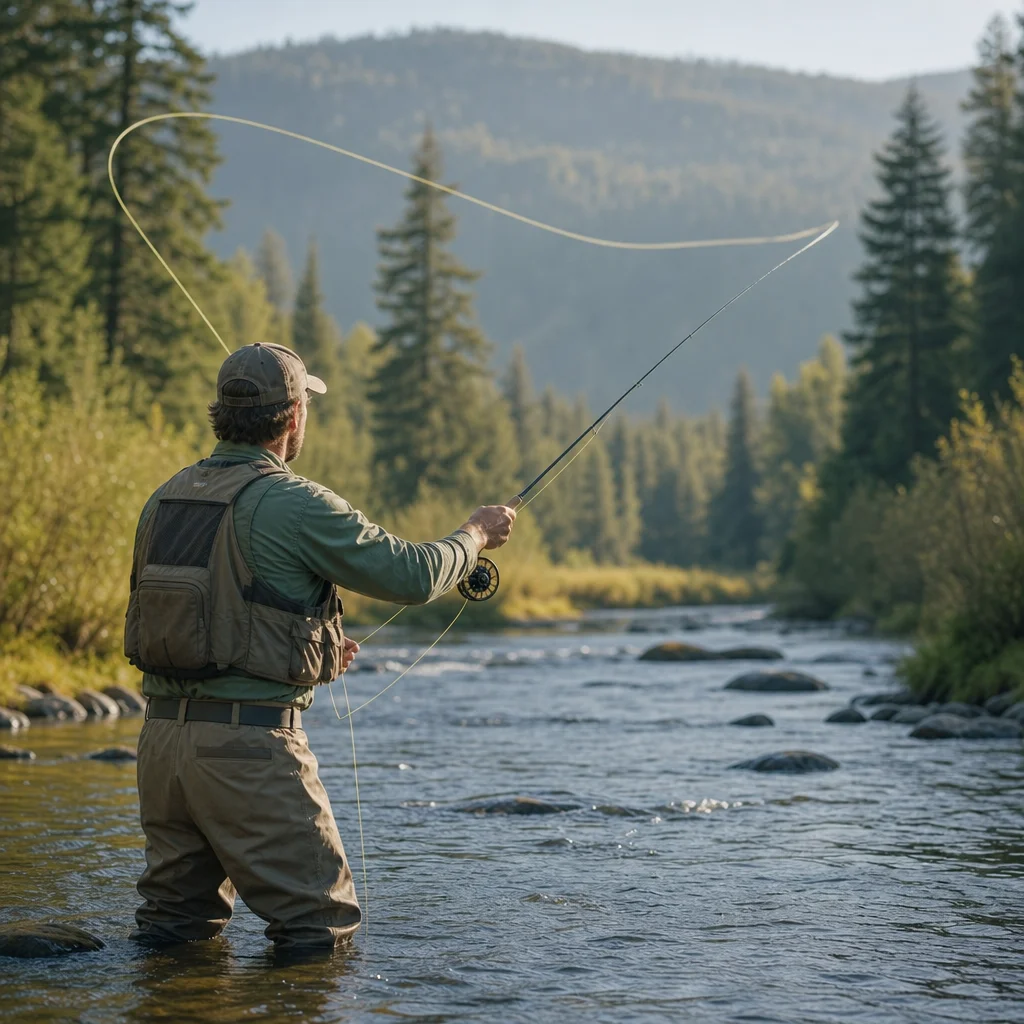
Spring trout fishing rewards a light pack, but it punishes poor planning. Air temperatures can change quickly, water stays cold, and a pleasant-looking stream can become uncomfortable after only an hour in wet shoes and a damp jacket.
For a first half-day outing, you don’t need every piece of fly-fishing equipment on the shelf. You need enough clothing to stay warm, a simple fishing setup, reliable food and water, and a way to leave safely if the weather or river conditions turn unpleasant.
Start with the weather and the water
Spring forecasts are useful, but they don’t tell the whole story. Check the temperature, wind, chance of precipitation, and forecast changes for the hours you’ll actually be outside. Also consider the stream itself: recent rain can raise and muddy the water, while snowmelt can keep water levels high and temperatures very low.
Plan around the least comfortable reasonable condition, not the most inviting part of the forecast. If the morning is expected to be chilly and wet, pack for that even if the afternoon looks mild. A half-day trip is still long enough for damp clothing to become a safety problem.
Check the stream plan: Before leaving, confirm local fishing regulations, access rules, seasonal closures, and current weather or flood advisories. These details vary by water and can change during the season.
If you’re new to the area, tell someone where you’re going and when you expect to return. Choose an easy access point for your first trip rather than a remote stretch that requires difficult hiking or wading.
Pack layers that still work when damp
The goal is to stay warm without carrying a full wardrobe. Use layers you can add or remove as your activity level changes.
Base layer
Wear a moisture-wicking shirt or lightweight synthetic layer next to your skin. Merino wool is another good option if you already own it. Avoid cotton as your only base layer; once wet, it dries slowly and provides little warmth.
For a cold morning, pack a spare base layer in a waterproof bag. This is one of the most useful items in the entire kit because changing into a dry shirt can make the difference between extending the outing and heading home.
Insulating layer
Bring a fleece, synthetic jacket, or light wool sweater. A compact insulated jacket can work well when you’re standing still, especially during breaks or when the wind picks up.
You probably don’t need several insulating layers for a half-day trip. Choose one dependable layer and use your shell to protect it from wind and rain.
Rain and wind shell
A waterproof or highly water-resistant jacket with a hood is more useful than an extra casual sweatshirt. Look for a shell that fits over your insulating layer and allows you to move your casting arm freely.
Pack rain pants if steady rain is likely or if you’ll be wading. They can also help when kneeling beside a wet bank, sitting during lunch, or walking through damp brush. If you don’t own dedicated rain pants yet, sturdy quick-drying outdoor trousers are a reasonable starting point, but they aren’t a substitute for waterproof protection in prolonged rain.
Hands, head, and feet
A warm hat and a spare pair of socks take up little room and can be valuable in spring. Thin liner gloves may help during cold mornings, although bulky gloves can interfere with knots and fly handling.
Wear footwear suited to the access route and water conditions. If you’re wading, use wading boots or another purpose-built option with secure ankle support and soles appropriate for the local streambed. If you’re staying on the bank, comfortable hiking shoes with good traction may be enough.
Never treat ordinary sneakers as reliable wading footwear. Smooth soles can slip on algae-covered rocks, and loose footwear offers little support in moving water.
Keep wading equipment simple and secure
You may not need waders for a first spring outing. Bank fishing is often the more economical and safer choice while you learn how the stream behaves. Waders add warmth and reach, but they also add cost, bulk, and risk if used carelessly.
If you do wade, pack or wear:
- Waders that fit without restricting movement
- A wading belt, secured properly before entering the water
- Wading boots with appropriate traction
- A wading staff if the terrain or current makes one useful
- A waterproof place for your phone and keys
- A plan for where you’ll enter and exit the water
Avoid crossing simply to reach a promising-looking bank. Trout are often available from the side you’re already on, and a short cast is preferable to an unstable step. Don’t wade in unfamiliar water alone if you can avoid it, particularly during high flows or cold-weather conditions.
Bring a modest tackle kit
A first trip doesn’t require a collection of rods, reels, and fly boxes. One suitable outfit and a small selection of dependable flies will let you learn more than a heavy pack filled with alternatives.
Your basic tackle can include:
- A rod and reel matched to the water and the fish you’re pursuing
- Backing and fly line in good condition
- A few tapered leaders
- Tippet in several useful sizes
- Small nippers or line clippers
- Forceps or hemostats for removing flies
- A small fly box
- Floatant if you’re using dry flies
- A landing net, preferably with a fish-friendly rubber mesh
For a beginner, the right rod depends on the stream’s size, the trout species, the flies you’ll use, and local conditions. If you’re buying rather than borrowing, ask a reputable local fly shop or experienced angler to help you choose a versatile setup. Buying one serviceable outfit is usually better value than purchasing several very inexpensive combinations that are difficult to cast or maintain.
Carry a few patterns that cover the likely conditions instead of trying to imitate every insect. A small selection of dry flies, nymphs, and streamers may be enough, but local guidance matters. The most economical fly is the one you can fish confidently and replace easily if it catches on a branch.
Add tools that protect both you and the fish
A few small items improve the day without turning your vest into a toolbox.
Pack polarized sunglasses to reduce glare and help you see submerged hazards. They also protect your eyes from an incorrectly placed cast. Use a retaining strap if you’re likely to lean over the water.
Bring sunscreen, lip balm, and insect repellent as conditions require. Spring insects may be less noticeable than summer insects, but exposed skin can still become uncomfortable during a long session.
A small first-aid kit should cover minor cuts, blisters, and scrapes. Add any personal medication you may need, and keep it in a waterproof pouch. A whistle, lighter, or compact emergency blanket can be sensible additions for remote access points, though the right emergency gear depends on how far you’ll be from help.
Use barbless hooks where required and consider them even where they aren’t mandatory. They can make release easier when handled properly. Keep the net, forceps, and any measuring tool within easy reach so you don’t have to leave a fish struggling while you search through a pocket.
Plan food and water for a half day
You’ll use more energy than expected while walking, casting, and balancing on uneven ground. Pack more water than you think you’ll drink if the route is remote, and carry food that can be eaten with cold fingers.
Useful options include:
- A filled water bottle or hydration reservoir
- A sandwich, wrap, or other substantial food
- Nuts, trail mix, an energy bar, or fruit
- A small thermos of a warm drink on colder days
- A resealable bag for wrappers and food waste
Don’t rely on the stream as a drinking-water source unless you have an appropriate treatment method. Clear water isn’t automatically safe to drink, and boiling or filtering requirements vary by situation.
Pack a waterproof bag for your phone, wallet, keys, dry socks, and spare layers. A large plastic bag can serve this purpose in a pinch, while a durable dry bag is a useful long-term purchase if you fish regularly.
Use a small, organized packing system
Keep frequently used items where you can reach them without removing your pack. Line clippers, forceps, tippet, and a few flies should be accessible. Food, extra layers, and emergency items can stay in the main compartment.
Separate wet gear from dry gear as soon as possible. Even a simple system of labeled or differently colored bags helps you avoid unpacking everything on a muddy bank. Before leaving home, check that your reel, leader, and knots are ready. A few minutes of preparation costs less than losing the first hour to repairs at the stream.
A compact backpack or sling pack is often enough for a half-day trip. A vest can organize tackle well, but it shouldn’t encourage you to carry every tool you own. Weight becomes tiring when you’re walking on uneven ground or climbing back to the vehicle.
A practical first-trip checklist
Before you leave, confirm that you have:
- Weather-appropriate layers
- A waterproof shell
- Spare socks and a dry base layer
- Suitable footwear and wading equipment, if needed
- Rod, reel, line, leaders, tippet, and a small fly selection
- Nippers, forceps, and a fish-friendly net
- Polarized eye protection
- Water and food
- First-aid supplies and personal medication
- Phone, keys, and wallet in waterproof storage
- A way to carry out all rubbish
- Local regulations and access details checked
For the most economical first outing, fish from the bank, borrow or rent a suitable rod if available, and spend money first on warm, dry clothing and safe footwear. Those items remain useful whether the trout cooperate or spend the afternoon conducting a quiet scientific study of your fly box.
Start close to an easy exit, keep the outing short enough to finish comfortably, and adjust your packing list after the trip. The best spring kit isn't the largest one; it’s the one that keeps you warm, mobile, prepared for a change in weather, and focused on learning the water.