What to Change When Trout Keep Taking the Dropper but Not the Dry
A visible dry fly can be the right choice even when trout ignore it, while a dropper may be doing the real work. I’ll show you how to adjust depth, drift, hook size, and rig design without abandoning the surface fly too soon.
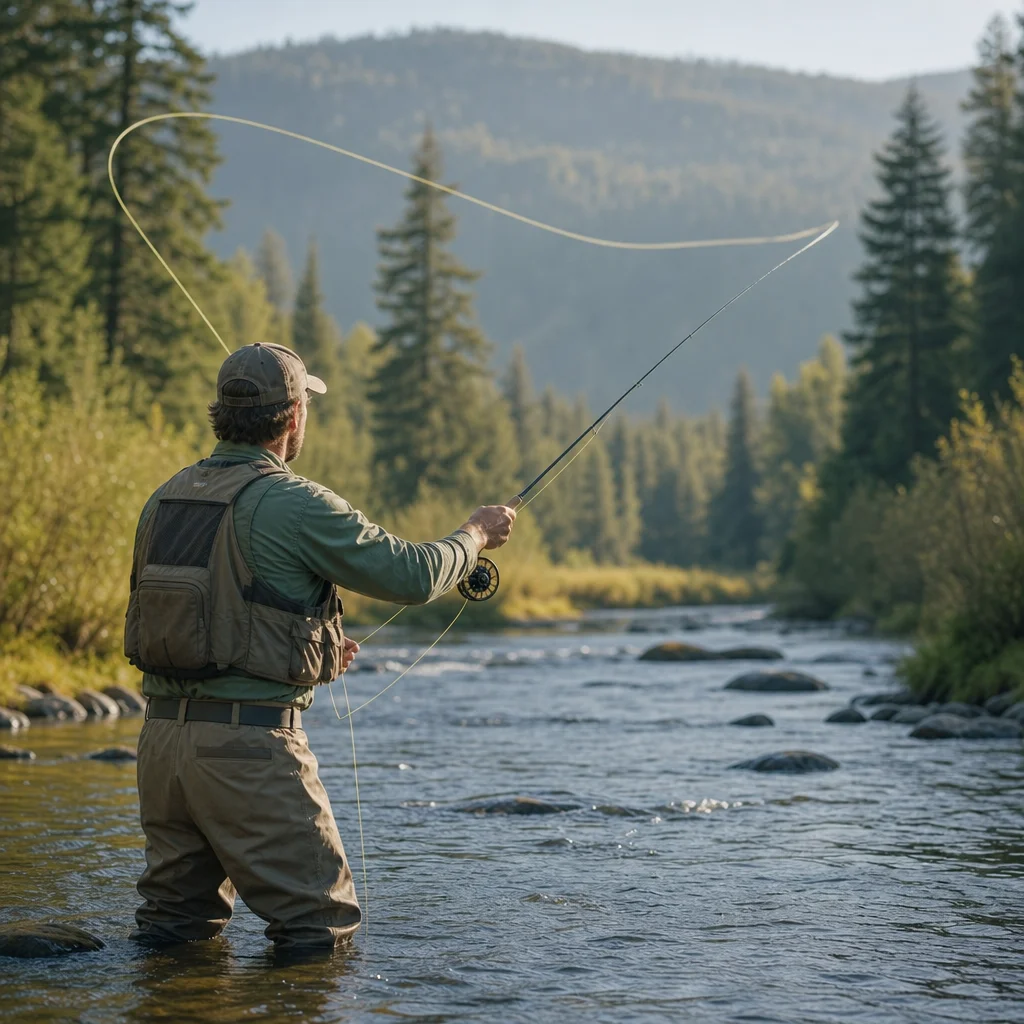
The first decision is whether you’re trying to make the dry fly catch fish or simply keep the dropper at a useful depth. Those are different jobs, and treating them as the same problem can lead to needless fly changes, awkward casts, and a rig that does neither well.
When trout repeatedly take the dropper but pass up the dry, start by assuming the subsurface fly is better matched to the fish’s current feeding level. Then work through the rig in a deliberate order. The goal isn’t to force a dry-fly take; it’s to find out whether the dry can become a credible food item without sacrificing the dropper’s effectiveness.
First, decide what the dry fly is doing
A dry-and-dropper rig usually has two possible arrangements:
- Two-fly presentation: Both flies are intended to imitate food. The dry should look plausible on the surface, while the dropper imitates something below it.
- Suspension presentation: The dry is mainly a visible anchor or indicator. The dropper is the primary target, and the dry may be only marginally attractive to trout.
There’s nothing wrong with the second arrangement. A buoyant terrestrial, hopper, or larger attractor can suspend a small nymph effectively even if trout are interested only in the fly beneath it. In that case, a missed dry take isn’t a failure. It may simply be doing a different job.
The distinction matters because every change has a trade-off. Making the dry smaller and more natural may improve its chances as food, but it can make it harder to see and less capable of supporting the dropper. Making it larger and more buoyant can improve visibility and suspension while reducing the likelihood of a convincing surface presentation.
Confirm that the “takes” are really dropper takes
Before changing the rig, watch the dry carefully. A trout may rise toward the dry, refuse it, and then eat the dropper moments later. From a distance, that sequence can look like a single failed dry take.
Pay attention to what the trout’s head and body do. A fish that turns below the surface, pauses, or makes a short sideways movement may be responding to the dropper. A fish that rises into the film and tips its mouth toward the dry is giving you useful information about the surface fly itself.
Also check whether the dry is tracking naturally. If it drags, skates, or pulls the leader across the current, trout may reject it before they ever get a good look. The fact that the dropper is being eaten doesn’t prove the dry is being presented well.
Change the dry fly’s size and profile first
If trout are feeding on small surface insects, a large, high-floating dry may be easy for you to see but unconvincing to them. A smaller pattern with a slimmer body and less conspicuous profile may be a better match.
However, downsizing isn’t automatically the answer. A tiny dry can disappear in broken water, sink under the weight of the dropper, or become difficult to track through changing light. It may also require more delicate handling and more frequent drying.
Try to match the dry to the most credible food source, not merely to the fly you started with. Useful adjustments include:
- reducing the body size while keeping enough hackle or wing to see it;
- choosing a lower-profile pattern when trout are inspecting the surface closely;
- switching to a terrestrial-style dry if wind or bankside vegetation make that food source plausible;
- using a more buoyant attractor when the dry’s main purpose is suspension and visibility.
Change one feature at a time when possible. If you replace the pattern, size, tippet, and dropper depth together, you won’t know which adjustment helped.
Examine the dry-fly hook and proportions
Hook size affects more than how much of the fly trout can see. A long or heavy hook can make a small dry sit unnaturally low, while an oversized hook may create an obvious silhouette that doesn’t fit the insects on the water.
Look at how the fly sits. Some patterns are meant to ride high on their hackle or wing; others sit in the film with only a small portion visible. Neither position is universally better. The useful question is whether the fly’s posture resembles the food trout are inspecting.
If the dry is tied on a hook that seems too heavy for its size, changing to a lighter, better-proportioned pattern may improve the presentation. The trade-off is durability and buoyancy: a delicate small dry may need more attention after each fish or submerged drift.
Adjust the dropper’s depth before changing everything else
Trout taking the dropper tells you that the lower fly is close to the right feeding zone, but it doesn’t tell you that the depth is perfect. The fish may be eating it as it sinks, as it swings upward, or while it rides along a particular seam.
Make small depth changes and observe the result. A shorter connection places the dropper closer to the dry and often keeps it shallower. A longer connection allows the dropper to work deeper, but it can increase tangles, make casting less controlled, and place more distance between your visual reference and the fly.
In shallow riffles, a long dropper may drag along the bottom or catch the streambed. In deeper runs, a short dropper may never reach the fish. If the dry is repeatedly pulled under, it may not be a bad surface fly; the dropper may simply be too heavy or too deep for the setup.
Use the lightest dropper and shortest depth that consistently reaches the feeding level you’re targeting. That usually gives you better turnover and fewer snags than adding weight or length immediately.
Check the connection and indicator behavior
The connection between the dry and dropper affects both flies. A dropper tied from the dry’s bend may be easy to replace, but it can alter the dry’s posture and sometimes encourages tangles. A dropper attached to a leader tag can provide a different presentation, though the tag’s length and stiffness also matter.
Watch the dry after the cast. If it jerks toward the dropper, sinks as soon as the flies land, or repeatedly twists around the leader, the rig is telling you something. The problem may be an oversized dropper, a connection that is too stiff, or a leader that doesn’t turn over cleanly.
A dry that dips or pauses can be useful information. It may indicate that the dropper is being eaten, contacting the bottom, or loading the rig in fast water. Don’t strike at every minor twitch. Learn the difference between a normal current adjustment and a deliberate movement that suggests a take.
Improve the drift before replacing the fly
A natural dropper doesn't rescue a dry that is dragging across the surface. Trout often tolerate a drifting subsurface fly while rejecting a surface pattern that moves unnaturally, but the drag can still reduce the rig’s overall effectiveness.
Look for conflicting currents between your position and the flies. A reach cast, a mend soon after the fly lands, or a change in casting angle can give the dry and dropper a longer, cleaner drift. Keep the mend proportionate: too much line movement can pull the dry off its track or move the dropper unnaturally.
Shorten the amount of line on the water when you’re troubleshooting. A shorter drift gives you less coverage, but it makes the rig easier to control and helps you identify whether drag, depth, or fly choice is responsible. Once the presentation improves, extend the drift gradually.
Know when to let the dry be an indicator
If the dropper is consistently producing and the dry is floating well, visible, and relatively unobtrusive, there may be no reason to make it catch fish. The dry is providing information about depth, drift, and possible subsurface activity. That can be the best balance in turbulent water or when the dropper is the clear preference.
This approach works only if the dry doesn’t interfere with the presentation. Replace it when it sinks too often, creates excessive drag, spooks fish, or can’t support the dropper. Choose a more buoyant pattern when visibility and suspension matter more than surface imitation.
Conversely, if trout are rising around the rig but refusing the dry, consider switching to a smaller or more natural pattern and reducing the dropper’s size or depth. You’re then giving the surface fly a better chance without abandoning the information provided by the lower fly.
A practical troubleshooting sequence
Work through the problem in this order:
- Watch the take carefully. Confirm whether trout are refusing the dry, eating the dropper, or reacting to both.
- Fix drag. Improve your angle, mend, and line control before changing flies.
- Check the dry’s posture. Make sure it’s floating properly and not being pulled under by the dropper.
- Adjust dropper depth slightly. Keep the fly in the feeding zone without creating unnecessary slack or tangles.
- Change dry size or profile. Match the likely food source if surface feeding appears plausible.
- Change hook or pattern style. Use a lighter, smaller, or lower-profile dry when the existing fly looks implausible.
- Accept the suspension role. If the dry is visible, stable, and effective as an anchor, stop asking it to do a job the trout aren’t requesting.
The most useful change is often the least dramatic one. A modest depth adjustment or cleaner drift can outperform a box-wide search for a magical dry fly.
Your next move on the water
On your next run, keep the current dry for several controlled drifts and focus on its posture and movement. If it tracks naturally, adjust the dropper depth before changing the pattern. If the dry is stable but ignored, decide whether you want a better surface imitation or simply a reliable suspension tool.
Use the dry to catch trout when conditions support it, and use it as an indicator when the dropper is doing the catching. Once you separate those two jobs, the rig becomes easier to tune—and a refused dry becomes useful information rather than a small personal insult from the river.