Use Water Temperature as One Clue, Not the Whole Answer
I’ll explain how to use water temperature alongside dissolved oxygen, flow, season, elevation, and recent weather so you can make safer trout-fishing decisions without treating one thermometer reading as the whole story.
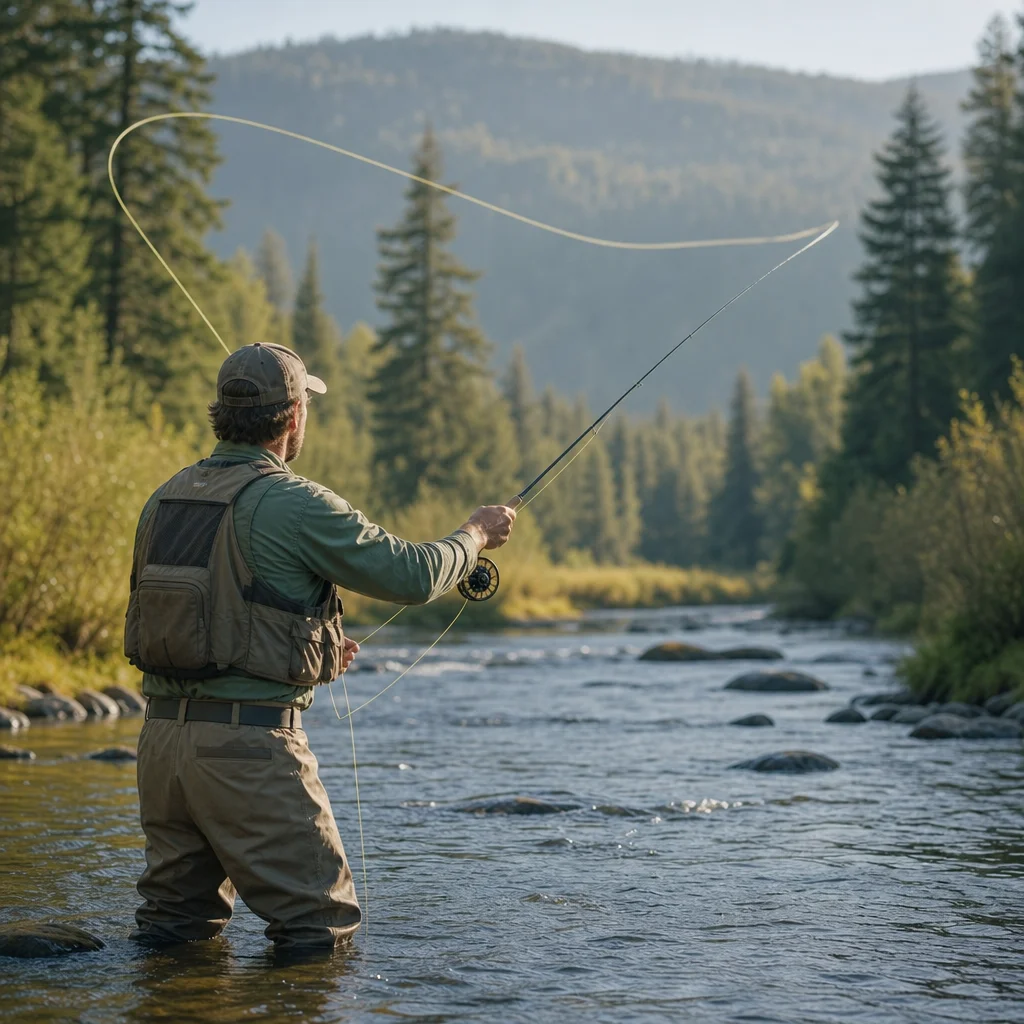
A thermometer can give you a useful number in seconds, but it can’t tell you everything about a trout stream. The same reading may mean different things in a shaded mountain creek, a low-elevation tailwater, or a river that has just received a pulse of cold water.
For safer decisions, treat temperature as one clue in a larger picture. Combine it with dissolved oxygen, flow, season, elevation, recent weather, and the behavior of the fish. That approach helps you decide not only where trout may be feeding, but also when fishing could place unnecessary stress on them.
Start with temperature, but don’t stop there
Water temperature affects trout metabolism, feeding activity, digestion, and the amount of oxygen the water can hold. It also changes how quickly a fish may become stressed during a fight or while being handled.
A single reading is still only a snapshot. Temperature can vary significantly between a spring creek and its main river, between a deep pool and a shallow riffle, or between the surface and a colder inflow. It can also change through the day.
Take readings consistently so they’re useful for comparison:
- Measure in flowing water rather than a warm, stagnant edge.
- Keep the thermometer out of direct sunlight while it settles.
- Avoid dragging it along the streambed.
- Check more than one location if the river has tributaries, springs, reservoirs, or notable changes in depth.
- Note the time, weather, and approximate elevation with the reading.
You don’t need a scientific survey every time you fish. A quick, repeatable measurement is enough to improve your judgment.
Check the local temperature guidance: Before fishing during unusually warm conditions, review the current advice from the relevant fish-and-wildlife agency or fishery manager. Temperature thresholds, closure rules, and handling recommendations can differ among waters and may change with conditions.
Add dissolved oxygen to the picture
Trout need dissolved oxygen, and cold water generally holds more oxygen than warm water. That relationship is one reason warm conditions deserve extra caution. But temperature and oxygen aren’t interchangeable measurements.
Flowing, turbulent water can absorb and mix oxygen efficiently. A deep pool may have a different oxygen profile from the riffle that feeds it. Aquatic plants can produce oxygen during daylight and consume it at night, while decomposing organic matter can reduce oxygen levels. In tailwaters, hydroelectric operations or changes in discharge may also affect mixing and habitat conditions.
If you have access to a reliable dissolved-oxygen meter and know how to use it, it can add valuable information. If you don’t, use habitat and conditions as clues rather than pretending you know the oxygen level precisely.
Look for combinations such as:
- Warm water with low, slow flow.
- Fish concentrated near cold tributaries or spring inputs.
- Trout holding in current seams rather than actively feeding.
- A stream with abundant algae or decomposing vegetation.
- Conditions that have been hot and still for several days.
A cool reading doesn't automatically guarantee ideal oxygen conditions, and a warm reading doesn't tell you the exact oxygen level. Together, the clues help you recognize when caution is warranted.
Read flow, not just the number on the bank thermometer
Flow affects temperature, oxygen, access, and how hard trout must work to hold position. It can also change where fish are willing to feed.
During low flow, shallow water can warm quickly, cover may become limited, and trout may be easier to disturb. During high flow, water may remain cooler and better oxygenated, but wading becomes more dangerous and fish can shift into softer edges, eddies, and protected seams.
Pay attention to both the current level and its recent trend. A river that is rising after rain may be much different from one that has been falling for two days. Sudden releases from a dam can alter depth and velocity quickly, even when the weather is mild.
Useful flow questions include:
- Is the water rising, falling, or stable?
- Has rain, snowmelt, or a release changed the river recently?
- Are normal crossings still safe?
- Do trout have access to cold, well-oxygenated refuges?
- Can you fish without standing on spawning areas or unstable banks?
Never trade a promising temperature for an unsafe wading situation. The river gets the final vote, and it rarely consults your plan first.
Use season and elevation to set expectations
Temperature means more when you know the seasonal and geographic context.
A reading that is normal for a high-elevation stream may be unusually warm for a spring-fed creek. A lower-elevation river may experience large daily swings, while a deep tailwater may stay comparatively stable. In early spring, a cool afternoon can conceal cold overnight conditions. In midsummer, a comfortable morning may become stressful by late afternoon.
Season also affects what trout are doing and what pressures they’re facing. During spawning periods, fish may be concentrated in vulnerable areas. In winter, cold water can slow fish and make handling more consequential. During summer heat, the priority may shift from finding active trout to avoiding unnecessary stress altogether.
Elevation isn't a substitute for measurement, but it gives the measurement context. Compare the reading with the stream’s typical character, nearby weather, and the availability of colder refuge areas.
Recent weather often explains today’s conditions
Look beyond the forecast for the current hour. The previous several days may matter more than the temperature you see when you step out of the truck.
Extended heat can warm the entire watershed, including groundwater and tributaries. A cold front may cool surface water quickly without immediately changing deeper conditions. Rain can lower temperature, increase turbidity, and raise flow, but warm runoff or a long period of humid weather may produce a different result.
Wind, cloud cover, and nighttime temperatures also affect daily changes. Clear skies and warm nights can keep a river from cooling much after sunset. Cold nights may create a favorable morning reading that becomes less favorable later.
Before you fish, ask:
- How many hot or cold days came before today?
- Did the river receive rain, snowmelt, or a release?
- Are nighttime temperatures allowing the water to recover?
- Is the water unusually clear, muddy, or changing quickly?
- Will conditions become warmer while you’re on the stream?
These details help you avoid making a decision from one convenient but incomplete moment.
Watch the trout and the habitat
Fish behavior can confirm or challenge what your instruments suggest. Trout that are actively feeding in suitable water may indicate that conditions are workable, but behavior isn't a license to ignore heat or local restrictions.
Look for where fish are holding and how they respond to your approach. Trout may move toward cold inflows, shaded banks, deeper runs, or oxygenated riffles as conditions change. If several fish appear sluggish, refuse food they would normally take, or struggle after a short fight, reconsider the plan.
Habitat clues matter too. Shade can slow warming, but it doesn’t make an entire river safe. A cold spring seep can provide a refuge, but crowding that small area with anglers can increase pressure. A fast riffle may contain more oxygen, yet it can be difficult or dangerous to wade.
Use fish behavior as one part of the assessment, not as a justification for pushing through questionable conditions.
Make the decision in layers
A simple decision process can keep one attractive clue from overwhelming the others.
1. Check the rules and current advisories
Some fisheries have seasonal closures, time-of-day restrictions, gear rules, or emergency measures related to warm water, low flow, drought, or spawning activity. These requirements are water-specific and can change during the season.
2. Measure and compare
Take a temperature reading, then compare it with recent readings if you have them. A rising trend may matter more than a single reading that still looks acceptable.
3. Assess flow and access
Confirm that the water can be approached and waded safely. Consider rising water, slippery rocks, unstable banks, and changing releases.
4. Identify cold and oxygenated habitat
Look for tributaries, springs, riffles, and shaded sections, while avoiding the temptation to concentrate fish in a limited refuge.
5. Choose the least stressful option
If conditions are marginal, fish briefly during the coolest part of the day only where permitted, use appropriate tackle to shorten the fight, or switch to a different elevation or watershed. If conditions look poor, walking away is the responsible choice.
Handle trout for the conditions you find
When conditions are warm or uncertain, reduce every avoidable source of stress.
Use tackle strong enough to land fish promptly. Keep the fish in the water whenever possible, wet your hands before touching it, and avoid squeezing the body or covering the gills. Remove the hook quickly with forceps or hemostats. If the fish is deeply hooked or clearly exhausted, follow local guidance rather than extending the photo session.
Revive a trout facing into gentle current only until it can maintain itself. Don’t move it back and forth through the water, and don’t release it into a visibly warmer or slower pocket simply because it is nearby.
If fish are taking too long to recover, stop fishing that area. In warm conditions, the best release technique is often not catching another trout.
A compact checklist for the bank
Before your first cast, consider:
- Temperature: What is the reading, and is it rising or falling?
- Oxygen clues: Is the water moving, mixed, and connected to healthy refuge habitat?
- Flow: Is the level stable, and can you approach it safely?
- Season: Are trout spawning, winter-slowed, or exposed to summer heat?
- Elevation: Is this reading typical for the stream and location?
- Weather: What happened over the last few days, and what will happen during your outing?
- Fish response: Do trout appear healthy and recover quickly?
- Rules: Are there current restrictions or advisories for this water?
Temperature is valuable because it gives you a starting point. It becomes much more useful when you connect it to oxygen, flow, season, elevation, weather, habitat, and fish condition. Build the habit of making that wider assessment, and you’ll make better choices about where to fish, when to stop, and when the kindest decision is to leave the trout alone.